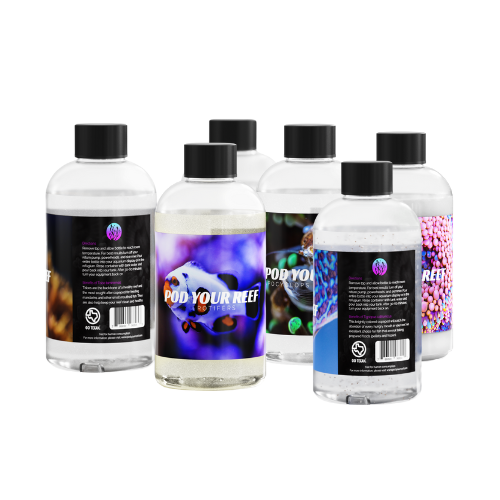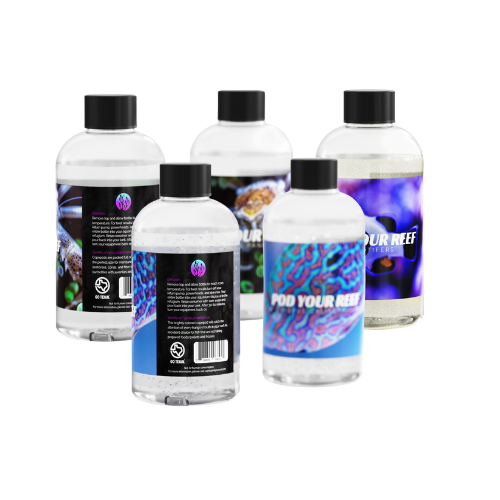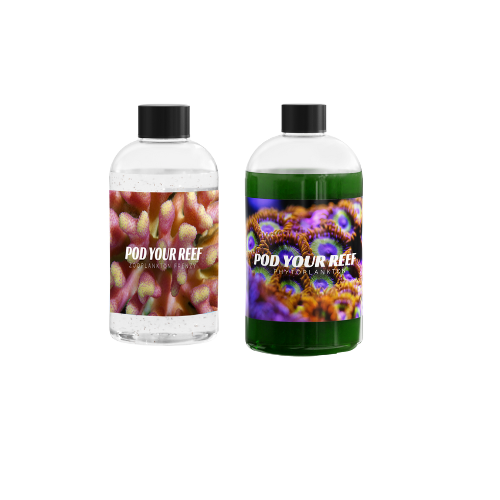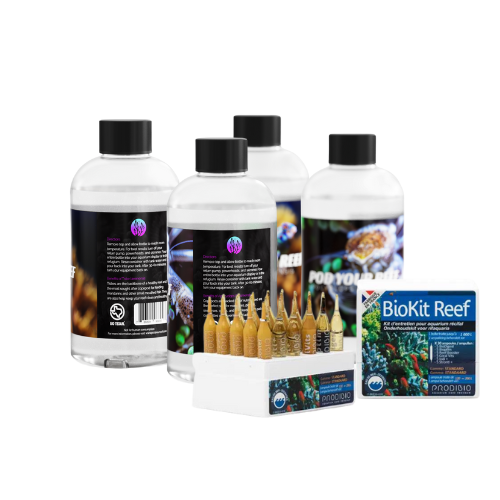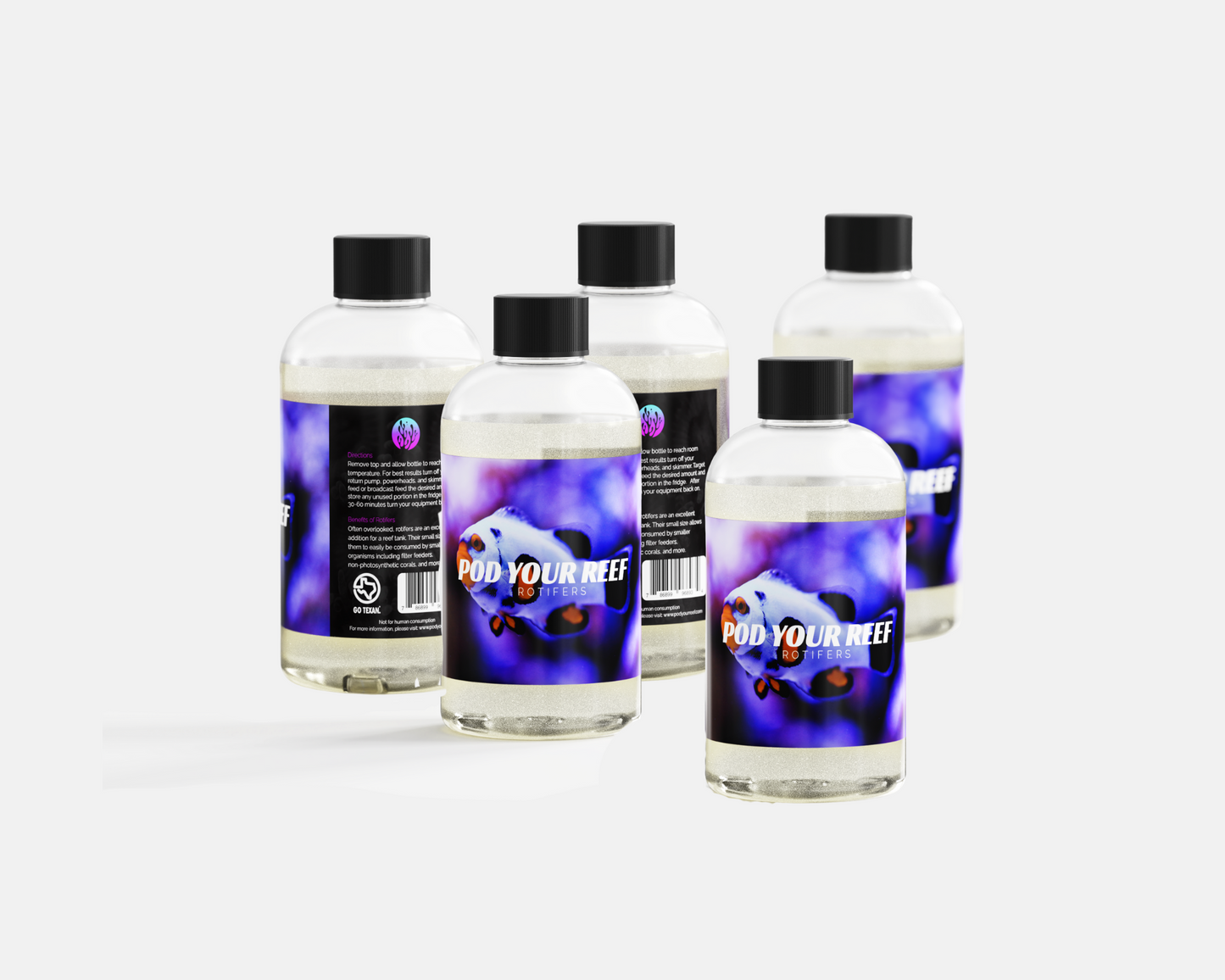

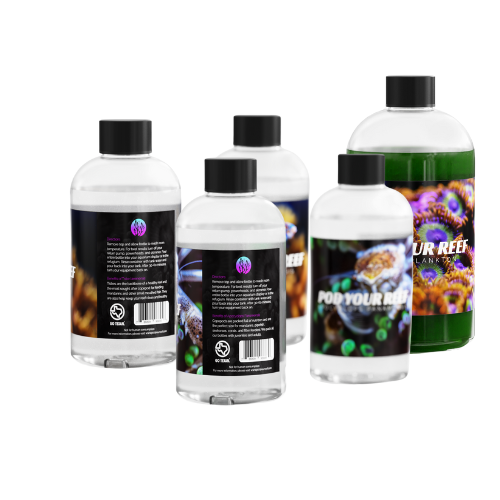
Close up product label of Pod Your Reef Chaetoceros Phytoplankton label.

Chaetoceros Diatom Phytoplankton

Regular price $30.00
Harvested on order date
FREE UPS/FEDEX US shipping over $80.

Selling fast

Pickup available at College Station Shop

Usually ready in 24 hours

LIVE PHYTOPLANKTON / CULTURE PROFILE

THE FOUNDATION OF THE REEF FOOD WEB

A closer look at the strain, nutritional profile, and role this live culture can play in your reef food web.

CULTURED FRESH Harvested on order date
NUTRITION Rejuvenates and intensifies color
CELL PROFILE Aids in development of zooplankton
REEF ROLE Increases survival rate of zooplankton
Chaetoceros Diatom Phytoplankton microscopy image
Chaetoceros Diatom Phytoplankton / MICROALGAE / LIVE CULTURE

MICROSCOPIC CELLS. FOUNDATIONAL NUTRITION.

Live microalgae Reef food web Cultured fresh
PROFILE

Meet the culture

Chaetoceros is a genus of marine diatoms, distinguished by their spiny, chain-forming cells. The specific Chaetoceros used in reef feeds (often Chaetoceros calcitrans or a similar species) is a small diatom with cell dimensions roughly 4–6 µm in width. Chaetoceros cells commonly form short chains of a few cells, and each cell has long siliceous spines, called setae, protruding from its corners. These needle-like spines...

Read the full culture profile ↓
WHY IT MATTERS

Nutritional profile

Chaetoceros is prized for its highly nutritious composition, providing a broad spectrum of essential nutrients. It boasts a strong Omega-3 fatty acid profile, notably containing DHA (docosahexaenoic acid) in addition to EPA, which is somewhat unique, as not all diatoms produce significant amounts of DHA. Some strains of Chaetoceros have significant DHA content, making it one of the few diatoms that cover both major...

Explore the nutritional profile ↓
IN YOUR REEF

Best use in a reef

Chaetoceros is exceptional for any scenario involving filter-feeder heavy systems or rearing larvae. In a reef aquarium setting, one of the top uses is feeding bivalves and small polyp filter feeders. For instance, if you keep a flame scallop or pen shell, those animals in the wild consume a lot of diatoms, and adding Chaetoceros can help meet that dietary need. Similarly, Tridacna clams (though photosynthetic) filter phytoplankton too, and Chaetoceros is an ideal size for...

See best use in a reef ↓
LIVE-FEED ROUTINE

Build from the bottom up

01Resuspend

Gently mix the live culture before use so cells are evenly distributed.

02Dose

Add according to your livestock needs and the directions provided with the culture.

03Feed the web

Support rotifers, copepods, filter feeders, and the broader plankton community.

04Keep fresh

Store and use the culture according to the product directions for best quality.

DEEP DIVE

Explore the science

Meet the culture

Chaetoceros is a genus of marine diatoms, distinguished by their spiny, chain-forming cells. The specific Chaetoceros used in reef feeds (often Chaetoceros calcitrans or a similar species) is a small diatom with cell dimensions roughly 4–6 µm in width. Chaetoceros cells commonly form short chains of a few cells, and each cell has long siliceous spines, called setae, protruding from its corners. These needle-like spines significantly increase the effective size and drag of the cells, enabling the chains to remain euplanktonic (free-floating) and resist sinking in the water column. In culture, Chaetoceros has a golden-brown color due to diatom pigments (notably fucoxanthin). The presence of spines also makes the culture appear “fluffy” under magnification – cells are spaced out by their spines so they don’t pack densely. This diatom requires silicate in the water to build its frustules, so its growth is closely tied to the availability of silicate. In reef aquaria, silicate is often limited, which is good because it prevents uncontrolled diatom blooms. Chaetoceros, however, can still survive for a time in reef conditions and be consumed by filter feeders without causing the nuisance “film” that wild diatoms sometimes do. It tends to stay suspended rather than immediately coating surfaces (thanks to those spines and water movement). Aquaculture significance: Chaetoceros is extremely important in bivalve hatcheries; oyster, clam, and scallop larvae are often fed Chaetoceros as a staple diet because of its ideal size and nutrition for them. This background tells us that Chaetoceros is very beneficial to small filter feeders and larvae. Overall, Chaetoceros is characterized by: tiny cell size with spines, free-floating chains, golden-brown appearance, and high suitability for filter feeders.

Nutritional profile

Chaetoceros is prized for its highly nutritious composition, providing a broad spectrum of essential nutrients. It boasts a strong Omega-3 fatty acid profile, notably containing DHA (docosahexaenoic acid) in addition to EPA, which is somewhat unique, as not all diatoms produce significant amounts of DHA. Some strains of Chaetoceros have significant DHA content, making it one of the few diatoms that cover both major Omega-3s. For example, Chaetoceros may not have as astronomically high EPA as Phaeodactylum, but it has plenty, and crucially, it adds DHA into the mix, which many phyto lack. This makes Chaetoceros a “broad-spectrum” fatty acid provider, ensuring that filter feeders and larvae get all the critical HUFA (highly unsaturated fatty acids) from one source. In terms of protein, Chaetoceros has a good protein content with all essential amino acids present. It’s noted for supporting growth in shellfish larvae, which implies the amino acid profile is well-suited for building animal tissue. It’s described as having a “sophisticated amino acid profile” covering essential and non-essential aminos for coral and invert growth. Pigments: Like other diatoms, it contains chlorophyll a & c and the carotenoid fucoxanthin. Fucoxanthin imparts a brownish color and is a potent antioxidant (and interestingly has been studied for human supplements too). It is likely also to contain β-carotene and other auxiliary pigments for photoprotection. These pigments can enhance color and provide antioxidant benefits for animals that consume them. Now, something unique: research and practical observations suggest Chaetoceros produces certain antifungal or antimicrobial compounds. In aquaculture, Chaetoceros cultures have been observed to inhibit pathogenic fungi in larval tanks, improving survival rates of larvae (for example, it’s noted that exudates from Chaetoceros can suppress fungal growth). While in a reef tank, this effect has not been fully studied, it suggests that dosing Chaetoceros could contribute to a healthier microbial balance, possibly reducing the chances of some water-borne infections or simply keeping larval stages safer. At the very least, it doesn’t encourage harmful microbes the way decaying food might. Cell structure and digestibility: The spines of Chaetoceros might sound concerning (like could they irritate feeders?), but in reality, they are very fine and fragile. They help with buoyancy and also help in feeding – larvae and filter feeders often snag onto the spines, making capture easier. The cell itself, aside from the silica frustule, is full of easily digestible goodies (fats, protein). Many larvae have no problem digesting Chaetoceros, as evidenced by its routine use in feeding them. Minerals: Because it’s a diatom, each cell contains silica (from the frustule). When filter feeders ingest diatoms, they can utilize the organic content, and the silica passes through or is sometimes assimilated in small amounts. There’s speculation (and some evidence) that diatoms in the diet help organisms like clams or snails with their shell formation or physiological processes by providing bioavailable silica or associated compounds. Also, diatoms can carry trace amounts of other minerals (they uptake nitrate, phosphate, and trace elements like any algae). In summary, Chaetoceros offers a comprehensive nutrient profile, including essential fatty acids (such as the highly valued DHA), high-quality protein, vitamins, minerals, antioxidants, and even some additional protective compounds. It’s essentially a high-octane feed designed by nature for small filter feeders, which translates to great benefits in our reef tank context.

Best use in a reef

Chaetoceros is exceptional for any scenario involving filter-feeder heavy systems or rearing larvae. In a reef aquarium setting, one of the top uses is feeding bivalves and small polyp filter feeders. For instance, if you keep a flame scallop or pen shell, those animals in the wild consume a lot of diatoms, and adding Chaetoceros can help meet that dietary need. Similarly, Tridacna clams (though photosynthetic) filter phytoplankton too, and Chaetoceros is an ideal size for even juvenile clams. Many clam farmers feed Chaetoceros to boost clam growth. Another use is for SPS coral nutrition: the tiny polyps of SPS, like Acropora or Seriatopora can trap these spined chains more effectively than smooth, slippery flagellates. The spines may actually help corals capture them (the spines tangle in coral mucus or cilia). So, dosing Chaetoceros in an SPS-dominated tank can provide a more “natural” type of plankton (since on real reefs, corals do consume a fair amount of diatoms and other phytoplankton in addition to zooplankton). Soft corals and LPS with fine feeding apparatus also benefit. For example, certain gorgonians (with tiny polyps) or LPS like Goniopora (which has many small mouths) can ingest phytoplankton. Chaetoceros would be readily taken if they are adapted to such small prey. Feather duster worms and barnacles are big winners – these creatures in the wild love diatoms. If you have a cluster of barnacles or fan worms, Chaetoceros could be the key to keeping them well-fed long-term. In a “nano” or pico tank with minimal fish but cool inverts like clams, sponges, etc., Chaetoceros might be a backbone feed to maintain those life forms. It’s also particularly useful if you’re trying something like a dwarf scallop or oyster aquarium (some hobbyists do mini oyster reefs – they will need diatoms like Chaetoceros in diet). Another scenario: larval fish or shrimp rearing. If a hobbyist is hatching out something like cleaner shrimp larvae or trying to raise coral larvae, dosing Chaetoceros can support those delicate stages (commonly used in aquaculture for larval shrimp and some fish as greenwater/enrichment). Nutrient control with Chaetoceros: while alive, it will soak up nitrates/phosphates and silicates in your water. If you happen to have high silicates (leading to brown diatom outbreaks on glass), dosing Chaetoceros could actually tie up that silicate into living cells that then get skimmed out or eaten, instead of fueling pest diatoms on your rocks. Essentially, it’s a directed way to use up silicate beneficially. So in an odd sense, adding “good diatoms” outcompetes the “ugly diatoms.” That’s a niche but interesting use case. Reef diversity: If you’re aiming to replicate a natural plankton mix, including Chaetoceros with other phyto species is key – real ocean plankton often has a lot of diatoms (especially in upwelling areas or nutrient-rich waters). Some advanced reefers dose diatoms seasonally or as part of a rotational feeding regimen to mimic seasonal changes (such as the “spring bloom” scenario for their NPS corals). Summarily, best uses: reef tanks with lots of filter feeders (clams, scallops, worms, sponges), breeders of marine larvae, or any reefers who want to maximize nutrition for corals by including a diatom in the mix.

Product specs & details

An extraordinary marine diatom celebrated for its profound benefits within coral reef systems. Peer-reviewed studies underscore its significance as a beneficial diatom, showcasing its unique ability to contribute to the overall health and resilience of coral ecosystems. 

  • Package size: 16 oz
  • 100% Aquacultured

Diet Advantage: This diatom's intricate composition includes essential omega-3 fatty acids, such as docosahexaenoic acid (DHA), known for bolstering membrane structure and cellular functionality in corals. Furthermore, its sophisticated amino acid profile, encompassing both essential and non-essential amino acids, plays a pivotal role in supporting protein synthesis and metabolic processes vital for coral growth and sustainability.

Reef Advantage: Antifungal properties, euplanktonic (free floating) plankton, 

    COMPARE THE LINEUP

    Explore the phyto lineup

    Compare the cultures side by side, then choose the one that best fits the feeding strategy and biodiversity goals of your reef.

    Nannochloropsis Phytoplankton Culture

    Nannochloropsis

    Rich in eicosapentaenoic fatty acid

    $15.00
    Tetraselmis chui Phytoplankton

    Tetraselmis chui

    Motile and can remain in the water column

    $20.00
    Isochrysis galbana Phytoplankton

    Isochrysis galbana

    High yields of polyunsaturated fatty acids

    $20.00
    Rhodomonas Phytoplankton

    Rhodomonas

    Rejuvenates and intensifies color

    $35.00
    Current Chaetoceros Diatom Phytoplankton

    Chaetoceros Diatom

    Rejuvenates and intensifies color

    $30.00
    Phaeodactylum tricornutum Phytoplankton

    Phaeodactylum tricornutum

    Beneficial marine diatom

    $30.00
    REEF KEEPERS, VERIFIED

    WHAT HOBBYISTS ARE SAYING

    Real feedback from reef keepers using Pod Your Reef live cultures in working reef systems.
    How do I store live phytoplankton from Pod Your Reef, and how long will it last?
    How often and how should I dose live phytoplankton in my reef tank?