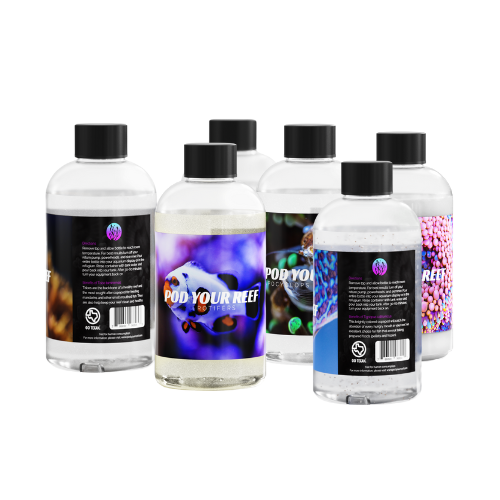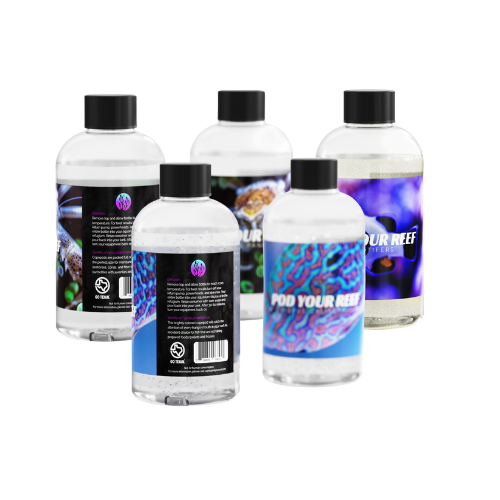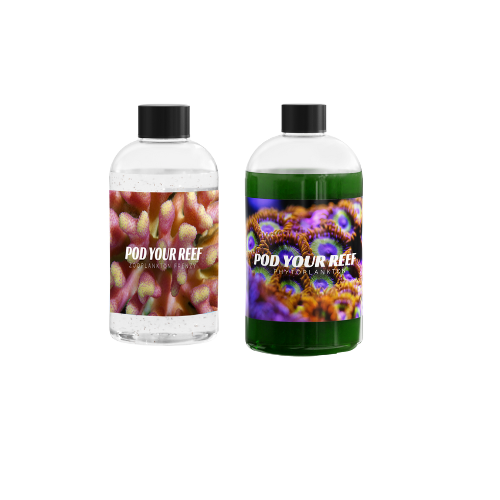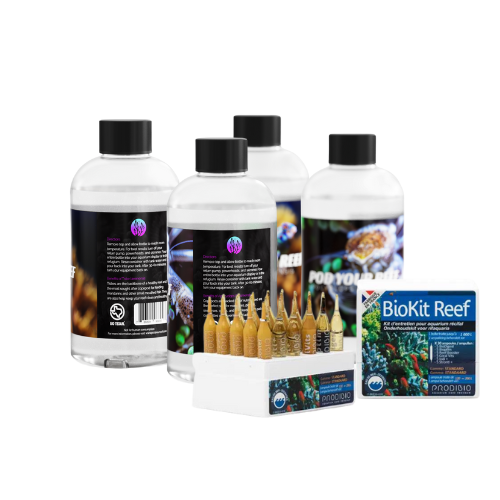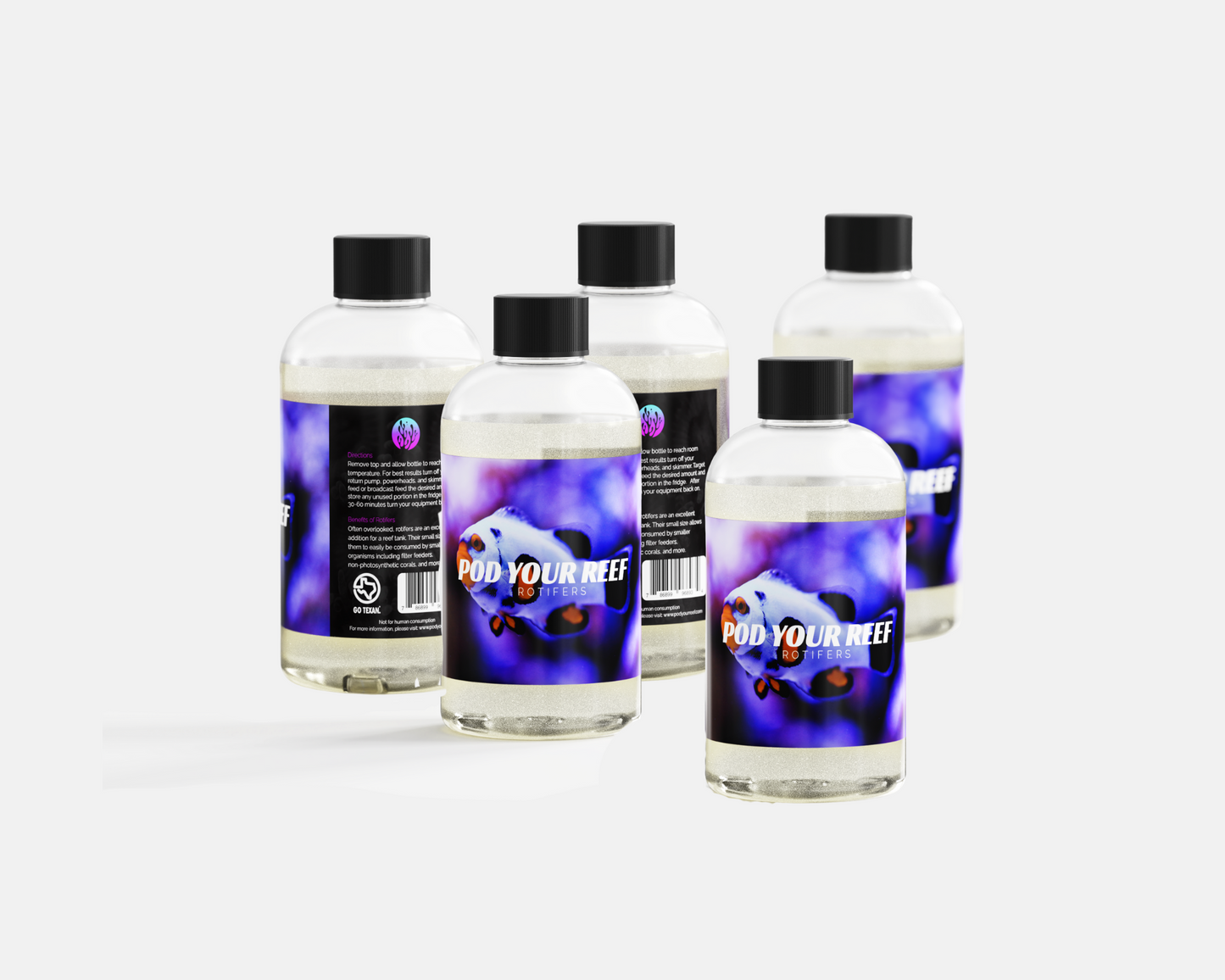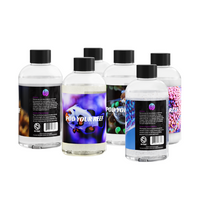

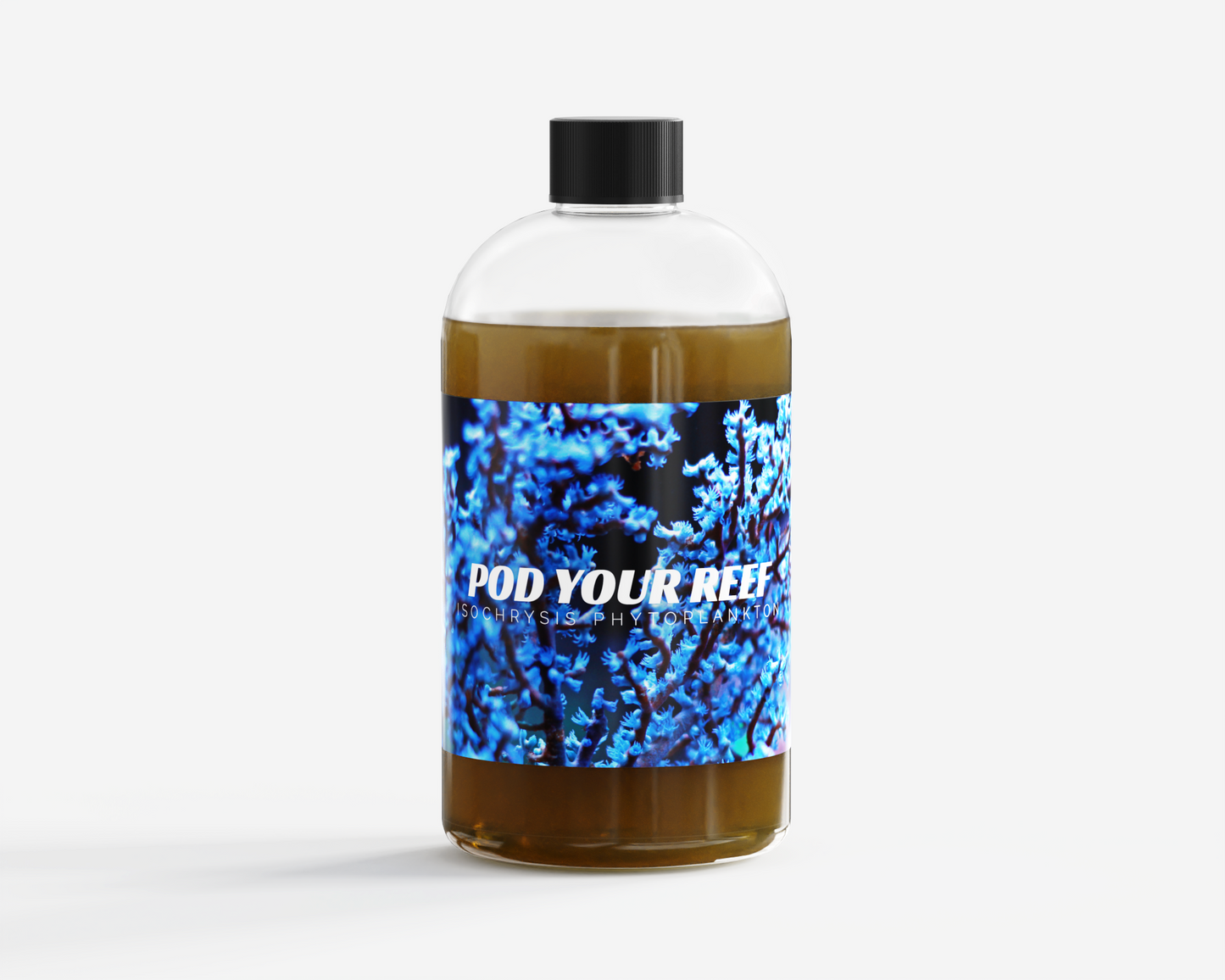
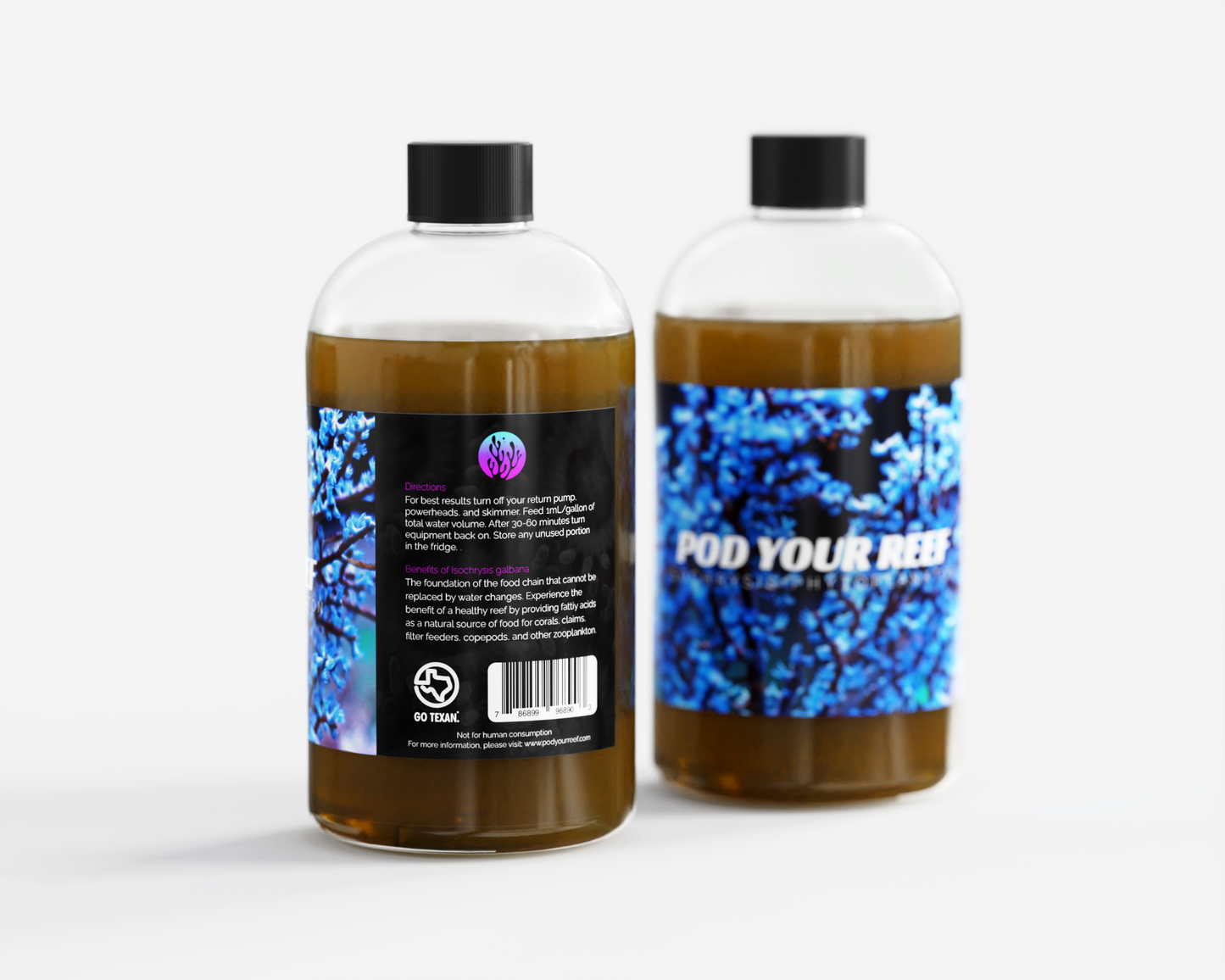
Isochrysis galbana Phytoplankton

Regular price $20.00
Harvested on order date
FREE UPS/FEDEX US shipping over $80.

Selling fast

Pickup available at College Station Shop

Usually ready in 24 hours

LIVE PHYTOPLANKTON / CULTURE PROFILE

THE FOUNDATION OF THE REEF FOOD WEB

A closer look at the strain, nutritional profile, and role this live culture can play in your reef food web.

CULTURED FRESH Harvested on order date
NUTRITION High yields of polyunsaturated fatty acids
CELL PROFILE Small particle size (less than 10 microns)
REEF ROLE Motile and can remain in the water column
Isochrysis galbana Phytoplankton microscopy image
Isochrysis galbana Phytoplankton / MICROALGAE / LIVE CULTURE

MICROSCOPIC CELLS. FOUNDATIONAL NUTRITION.

Live microalgae Reef food web Cultured fresh
PROFILE

Meet the culture

Isochrysis galbana is a small, golden-brown flagellated microalga renowned as a “superfood” in marine aquaculture. It belongs to the haptophyte class (Prymnesiophyceae) and is often cultured as the Tahitian strain (T-ISO) for its enhanced nutritional profile. Isochrysis cells are spherical to ovoid, measuring approximately 5–10 µm in diameter (some references indicate a diameter as small as 2–6 µm, depending on the strain). They have...

Read the full culture profile ↓
WHY IT MATTERS

Nutritional profile

Isochrysis galbana is famed for being an omega-3 fatty acid powerhouse, especially rich in DHA (docosahexaenoic acid). In fact, among commonly used phyto, Isochrysis (particularly the T-ISO variant) has one of the highest DHA contents – making it critical for marine larvae that require DHA for brain, eye, and nervous system development. It also contains EPA (eicosapentaenoic acid), though in moderate amounts, and a...

Explore the nutritional profile ↓
IN YOUR REEF

Best use in a reef

Isochrysis is ideal for filter feeders and larvae that demand high-quality fats. In reef tanks, one of its best uses is feeding bivalves – Tridacna clams, scallops, mussels – which have tiny filtration gills perfectly suited to catch 5–10 µm particles. Clam keepers often dose Isochrysis to keep their clams vibrant and growing, as in the wild these animals get much of their nutrition from phytoplankton. Similarly, Iso is excellent for small-polyp corals (SPS) like Acropora...

See best use in a reef ↓
LIVE-FEED ROUTINE

Build from the bottom up

01Resuspend

Gently mix the live culture before use so cells are evenly distributed.

02Dose

Add according to your livestock needs and the directions provided with the culture.

03Feed the web

Support rotifers, copepods, filter feeders, and the broader plankton community.

04Keep fresh

Store and use the culture according to the product directions for best quality.

DEEP DIVE

Explore the science

Meet the culture

Isochrysis galbana is a small, golden-brown flagellated microalga renowned as a “superfood” in marine aquaculture. It belongs to the haptophyte class (Prymnesiophyceae) and is often cultured as the Tahitian strain (T-ISO) for its enhanced nutritional profile. Isochrysis cells are spherical to ovoid, measuring approximately 5–10 µm in diameter (some references indicate a diameter as small as 2–6 µm, depending on the strain). They have two flagella (and a unique appendage called a haptonema) that allow limited swimming, typically in a spiraling motion. Under the microscope, Isochrysis appears brown/tan due to its pigments (notably fucoxanthin). This species does not form tough silica shells (unlike diatoms) – it has a relatively soft cell wall, making it easily digestible for marine animals. Aquarist note: Isochrysis sometimes has a distinct marine odor when concentrated (a sign of its rich fatty acid content). Iso is somewhat more sensitive than greens like Nanno; it prefers stable conditions. It thrives in full-strength seawater and normal reef salinity (33–35 ppt), and crucially, it’s also aquacultured and packaged fresh (commonly sold in 16 oz bottles).

Nutritional profile

Isochrysis galbana is famed for being an omega-3 fatty acid powerhouse, especially rich in DHA (docosahexaenoic acid). In fact, among commonly used phyto, Isochrysis (particularly the T-ISO variant) has one of the highest DHA contents – making it critical for marine larvae that require DHA for brain, eye, and nervous system development. It also contains EPA (eicosapentaenoic acid), though in moderate amounts, and a variety of other PUFAs (polyunsaturated fatty acids). Overall lipids can be ~12–14% of its biomass, with over 20% of those being omega-3s. In addition to fats, Isochrysis offers decent protein (studies show ~50% protein by dry weight) and carbohydrates, so it’s a balanced feed. Pigment-wise, Isochrysis carries chlorophyll a & c, giving it base photosynthetic capability, but the signature pigment is fucoxanthin, a brown carotenoid. Fucoxanthin is a strong antioxidant; when filter feeders consume Iso, they gain these antioxidants which can improve stress tolerance. Fucoxanthin also contributes to Iso’s high fatty acid synthesis (it’s thought to be linked to energy storage in the alga). Isochrysis cells may have a tiny reddish eyespot; they produce compounds like DMSP (dimethylsulfoniopropionate), which acts as an osmolyte and feeding attractant, possibly enhancing its palatability. Vitamins are another highlight: Isochrysis synthesizes B-vitamins (including B₁₂) and others, enriching the food chain. Because of its “golden” lipids, you’ll often see Iso recommended for enriching live feeds – it truly is loaded with the “golden fats” (DHA/EPA) that many other phytos lack. In summary, nutritionally Isochrysis is like the fish oil capsule of the phyto world – small in size but densely packed with critical fatty acids and antioxidants.

Best use in a reef

Isochrysis is ideal for filter feeders and larvae that demand high-quality fats. In reef tanks, one of its best uses is feeding bivalves – Tridacna clams, scallops, mussels – which have tiny filtration gills perfectly suited to catch 5–10 µm particles. Clam keepers often dose Isochrysis to keep their clams vibrant and growing, as in the wild these animals get much of their nutrition from phytoplankton. Similarly, Iso is excellent for small-polyp corals (SPS) like Acropora and Montipora. These corals can consume microscopic particles; Iso fits in their range and delivers nutrition straight to the coral (unlike larger foods that might be rejected). Non-photosynthetic corals (NPS) and filter-feeding inverts – e.g. azooxanthellate soft corals, sea apples, feather stars – often thrive when Isochrysis is part of the feeding regimen, because it’s a nutrient-dense yet digestible food. Zooplankton enrichment is another top use: Isochrysis is widely used to enrich copepods and rotifers in culture, ensuring those zooplankton carry maximal DHA/EPA for the fish or corals that eat them. For example, if you’re culturing copepods to feed a dragonet or seahorse, giving the pods Isochrysis will make them far more nutritious (like gut-loading). Many aquarists dose Iso directly in display tanks to achieve a similar effect – resident pods and brine shrimp nauplii will graze it and become DHA-rich snacks for fish. Larval rearing: Isochrysis is a staple in marine hatcheries for raising larval fish and shrimp. If you’re a hobbyist trying to raise larvae (clownfish, banggai cardinals, etc.), you can use Iso to enrich rotifers (e.g. in a greenwater technique, where Iso is added to larval tanks each day). Another benefit observed is improved water quality: Isochrysis actively consumes nitrates and phosphates while alive. Uneaten Iso won’t immediately foul the tank – instead it keeps sucking up excess nutrients until it’s eaten, acting like a live nutrient sponge. This makes Isochrysis a relatively “clean” feed. In sum, use Isochrysis whenever you need tiny food for tiny mouths – whether that’s a newly hatched coral larva, a feather duster’s filtering crown, or a finicky SPS coral. It’s often considered an essential component of a phyto blend due to its DHA content; reefers aiming for maximum coral growth and coloration include Iso to make sure nothing is missing in the diet.

Product specs & details

Isochrysis galbana is a very important species of phytoplankton, as it has a high protein content and lipid composition which essential for the health of your reef. Phytoplankton is the foundation of the food chain for marine life.  

  • Package size: 16 oz
  • 100% Aquacultured
  • Small particle size (less than 10 microns), can fit into the tiniest of mouths.
  • Provides corals with direct source of golden fats, while at the same time, enriching copepods and other grazeables.
  • Each cell has a tail-like flagella it can use to remain in the water column
  • Can survive in reef conditions and thus uneaten cells do not immediately become waste.
  • Is a hungry nitrate and phosphate consumer and will extract these from the water column until the cells are eaten.

Diet Advantage: Long fatty acid chain, including eicosapentaenoic acid (EPA) and docosahexaenoic acid (DHA). Omega-3 (ω-3) fatty acids are essential components of marine species health. 

Reef Advantage: Live microalgae culture, provides a natural source of food for corals, clams, filter feeders, copepods, and other zooplankton. 

    COMPARE THE LINEUP

    Explore the phyto lineup

    Compare the cultures side by side, then choose the one that best fits the feeding strategy and biodiversity goals of your reef.

    Nannochloropsis Phytoplankton Culture

    Nannochloropsis

    Rich in eicosapentaenoic fatty acid

    $15.00
    Tetraselmis chui Phytoplankton

    Tetraselmis chui

    Motile and can remain in the water column

    $20.00
    Current Isochrysis galbana Phytoplankton

    Isochrysis galbana

    High yields of polyunsaturated fatty acids

    $20.00
    Rhodomonas Phytoplankton

    Rhodomonas

    Rejuvenates and intensifies color

    $35.00
    Chaetoceros Diatom Phytoplankton

    Chaetoceros Diatom

    Rejuvenates and intensifies color

    $30.00
    Phaeodactylum tricornutum Phytoplankton

    Phaeodactylum tricornutum

    Beneficial marine diatom

    $30.00
    REEF KEEPERS, VERIFIED

    WHAT HOBBYISTS ARE SAYING

    Real feedback from reef keepers using Pod Your Reef live cultures in working reef systems.
    How often and how should I dose live phytoplankton in my reef tank?
    How do I store live phytoplankton from Pod Your Reef, and how long will it last?