


Tetraselmis chui Phytoplankton
Regular price
$20.00
Pickup currently unavailable
LIVE PHYTOPLANKTON / CULTURE PROFILE
THE FOUNDATION OF THE REEF FOOD WEB
A closer look at the strain, nutritional profile, and role this live culture can play in your reef food web.

Tetraselmis chui Phytoplankton / MICROALGAE / LIVE CULTURE
MICROSCOPIC CELLS. FOUNDATIONAL NUTRITION.
PROFILE
Meet the culture
Tetraselmis chui is a unicellular green flagellate (Chlorophyceae) known for its motility and hardiness Cells are pear-shaped or oval, about 10–14 µm in size, with four flagella that allow them to actively swim and remain suspended in the water column. This motile behavior means Tetraselmis stays available to plankton feeders longer (less quick to settle out) than non-motile phyto. It’s an aquacultured species that...
Read the full culture profile ↓WHY IT MATTERS
Nutritional profile
Tetraselmis chui is often referred to as an “all-rounder” due to its balanced nutritional profile. It contains a balanced mix of proteins, carbohydrates, and lipids, along with an abundance of vitamins and minerals. Notably, it’s rich in pigments like chlorophyll a and b (imparting its green color) as well as antioxidants β-carotene and zeaxanthin. These pigments can enhance the coloration and vitality of marine...
Explore the nutritional profile ↓IN YOUR REEF
Best use in a reef
Tetraselmis is an excellent general-purpose phytoplankton for reef tanks. Thanks to its medium cell size and nutrition, it can feed a broad range of livestock. It shines in situations where you want to boost your zooplankton populations – many reefers culture or dose Tetraselmis to increase copepod and rotifer numbers in their system. Copepods fed Tetraselmis become “gut-loaded” with their nutrients and, in turn, enrich the diet of fish or corals that prey on them. This...
See best use in a reef ↓LIVE-FEED ROUTINE
Build from the bottom up
01Resuspend
Gently mix the live culture before use so cells are evenly distributed.
02Dose
Add according to your livestock needs and the directions provided with the culture.
03Feed the web
Support rotifers, copepods, filter feeders, and the broader plankton community.
04Keep fresh
Store and use the culture according to the product directions for best quality.
DEEP DIVE
Explore the science
Meet the culture
Nutritional profile
Best use in a reef
Product specs & details
Get ready to add some serious health and color to your marine ornamental livestock with Tetraselmis chui Phytoplankton! This microalgae can handle a wide range of temperatures and salinities and produces some seriously valuable fats, proteins, and pigments that'll keep your fish and corals thriving. But that's not all! Tetraselmis chui can also chow down on inorganic waste like ammonia, nitrate, phosphate, and carbon dioxide, all while making your tank look like a tropical paradise. Don't miss out on this perfect addition to your feeding regimen!
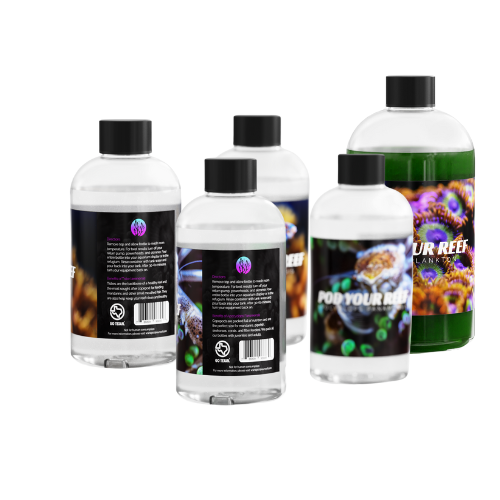
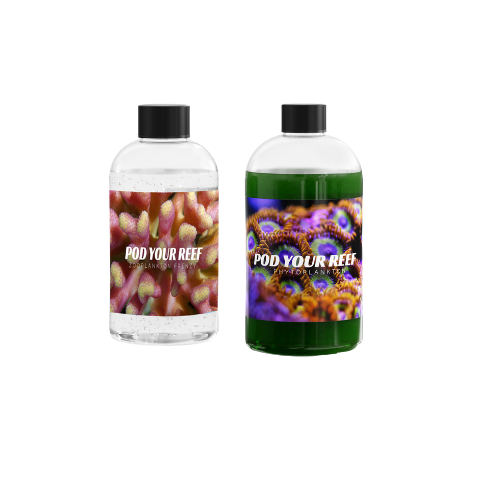
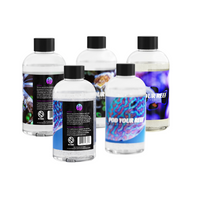
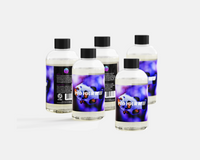
- Package size: 16 oz
- 100% Aquacultured
- Cell size of 12 - 14 micrometers
- Each cell has tail-like flagella it can use to remain in the water column.
- Can survive in reef conditions, and thus uneaten cells do not immediately become waste.
- Increases copepod production.
Diet Advantage: Are you ready for an amazing fact? Tetraselmis chui, a unicellular green algae, is not only a nutritious and valuable source of food for many marine organisms, but it also contains a variety of essential macronutrients and micronutrients. Its rich nutritional profile includes carbohydrates, proteins, lipids, vitamins, minerals, and pigments such as chlorophyll a and b, β-carotene, and zeaxanthin. Not only that, but Tetraselmis chui is also capable of consuming inorganic waste such as ammonia, nitrate, phosphate, and carbon dioxide via photosynthesis, making it the perfect addition to the feeding regimen of marine ornamental livestock-rich nutritional profile.
Reef Advantage: Tetraselmis chui is a green algae that's not afraid to move. That's right, folks, it's motile! This unicellular wonder has flagella, whip-like appendages that let it cruise through the water column. While its motility may not be the fastest or strongest, it's still there, making Tetraselmis chui a facultative motile species. So don't settle for boring phytoplankton. Get Tetraselmis chui and watch it move!
COMPARE THE LINEUP
Explore the phyto lineup
Compare the cultures side by side, then choose the one that best fits the feeding strategy and biodiversity goals of your reef.

Nannochloropsis
Rich in eicosapentaenoic fatty acid
$15.00
Current


Tetraselmis chui
Motile and can remain in the water column
$20.00

Isochrysis galbana
High yields of polyunsaturated fatty acids
$20.00

Rhodomonas
Rejuvenates and intensifies color
$35.00

Chaetoceros Diatom
Rejuvenates and intensifies color
$30.00

Phaeodactylum tricornutum
Beneficial marine diatom
$30.00
REEF KEEPERS, VERIFIED
WHAT HOBBYISTS ARE SAYING
Real feedback from reef keepers using Pod Your Reef live cultures in working reef systems.