
The mandarin dragonet (Synchiropus splendidus) is a widely recognized and highly sought-after species in the marine aquarium trade due to its brilliant coloration and unique morphology. However, the species presents significant challenges in captivity, largely due to its specialized diet, territorial behavior, and susceptibility to starvation and disease. Recent advances in captive breeding efforts have improved survival rates, but challenges remain in rearing larvae and transitioning juveniles to non-live foods. Additionally, environmental enrichment, particularly through live food ecosystems, has emerged as a critical factor in improving captive husbandry success. This review synthesizes existing scientific literature on S. splendidus, examining its taxonomy, feeding ecology, behavioral patterns, disease vulnerabilities, aquaculture advancements, and the role of natural feeding enrichment in supporting long-term health. The findings highlight the necessity of maintaining a sustainable, naturalistic feeding environment and provide insights into improving husbandry practices to ensure the long-term viability of this species in captivity.
1. Introduction
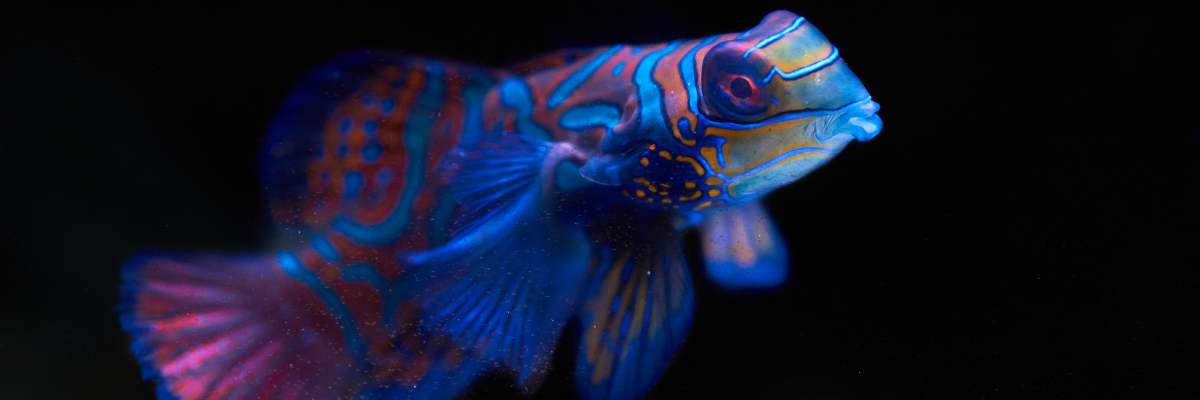
The mandarin dragonet (Synchiropus splendidus) is one of the most captivating species in the marine ornamental fish trade. First described by Albert William Herre in 1927, this species is highly prized for its electric blue, green, and orange coloration, which is attributed to unique cellular pigment structures (Thacker & Roje, 2009). Unlike many reef-associated fish, S. splendidus is a benthic forager, preferring to hunt among coral rubble for copepods, amphipods, and other small invertebrates.
Despite its popularity, the mandarin dragonet is notoriously difficult to maintain in captivity due to its highly specialized diet, slow feeding behavior, and susceptibility to starvation (Rhyne et al., 2011). Historically, most specimens in the trade were wild-caught, leading to high mortality rates due to inadequate feeding conditions. In recent years, advances in captive breeding and live food enrichment strategies have improved husbandry success, though significant challenges remain.
This review explores the taxonomy, diet, behavior, disease susceptibility, captive breeding efforts, and the role of environmental enrichment in improving the captive care of S. splendidus.
2. Taxonomy and Etymology
2.1. Taxonomic Classification
The mandarin dragonet belongs to the Callionymidae family, which comprises over 130 species, many of which share a cryptic, bottom-dwelling lifestyle (Nelson et al., 2016). Within the genus Synchiropus, S. splendidus is one of the most studied species due to its presence in the aquarium trade.
- Kingdom: Animalia
- Phylum: Chordata
- Class: Actinopterygii
- Order: Perciformes
- Family: Callionymidae
- Genus: Synchiropus
- Species: Synchiropus splendidus
2.2. Etymology and Common Names
The species name “splendidus” is derived from Latin, meaning "magnificent" or "brilliant", reflecting its striking coloration. Common names include:
- Mandarin dragonet
- Mandarinfish
- Green mandarin goby (misnomer, as the species is not a goby)
The name “mandarin” is inspired by the vibrant robes of Chinese imperial mandarins, whose elaborate patterns resemble the fish’s intricate coloration (Kuiter, 2004).
3. Diet and Feeding Ecology
3.1. Natural Diet in the Wild
In their natural habitat—lagoon and coastal reef environments of the Indo-Pacific—mandarin dragonets are obligate micropredators, feeding primarily on:
- Harpacticoid copepods (Tisbe spp., Tigriopus spp.)
- Calanoid copepods (Acartia spp.)
- Mysid shrimp
- Small polychaete worms
- Larval crustaceans
Mandarins are continuous foragers, displaying a unique protrusible jaw mechanism that allows them to suction-feed on benthic prey (Ferry-Graham et al., 2008). Unlike planktivorous fish that rely on the water column for prey capture, mandarins are highly dependent on microfauna present in sandbeds, macroalgae, and coral rubble.
3.2. Challenges of Feeding in Captivity
One of the most significant challenges of keeping S. splendidus in captivity is its strict dependence on live foods. Studies indicate that wild-caught individuals reject non-moving prey and are highly prone to starvation if not provided with a continuous supply of live copepods (Olivotto et al., 2011).
Captive-bred mandarins, however, show a greater willingness to accept non-live foods when conditioned from a young age. Research has demonstrated that:
- Juvenile mandarins can be trained to accept enriched frozen mysis shrimp and gel-based diets (Tlusty et al., 2017).
- Live copepods supplemented with phytoplankton enhance gut health and digestion.
- A gradual weaning process to pellet diets has been successful in some aquaculture facilities but remains uncommon among hobbyists.
4. Behavior and Temperament
4.1. Social Structure and Territoriality
Mandarin dragonets are highly solitary fish in the wild, exhibiting territorial behaviors in confined spaces. Males are particularly aggressive toward conspecifics, engaging in:
- Fin displays and color intensification to establish dominance.
- Circling and aggressive flaring when competing for females.
4.2. Compatibility in Reef Tanks
Mandarins are best housed in peaceful, slow-feeding community tanks with adequate pod populations. Compatible tankmates include:
✔ Small, non-aggressive fish (e.g., gobies, firefish, and blennies).
✔ Other dragonets, if space and food resources are sufficient.
Aggressive species like dottybacks and angelfish should be avoided, as they outcompete mandarins for food and may cause stress-related health issues.
5. Disease Susceptibility
Mandarin dragonets are notoriously resistant to external parasites due to their thick mucous coat, but they are still vulnerable to:
- Starvation (most common cause of mortality in captivity).
- Bacterial infections (secondary to injuries from aggressive tankmates).
- Cryptocaryon irritans (Marine Ich) (though less susceptible than many reef fish).
Preventative measures include:
✔ Maintaining a refugium with live copepods.
✔ Avoiding high-stress tankmates.
✔ Quarantining new arrivals to prevent disease transmission.
6. Advances in Captive Breeding
Recent breakthroughs in commercial aquaculture have improved the availability of captive-bred mandarins, reducing pressure on wild populations (Rhyne et al., 2011). Successful breeding strategies include:
- Induced spawning via photoperiod manipulation.
- Larval rearing with enriched rotifers and copepods.
- Training juveniles to accept prepared diets.
Aquaculture facilities like ORA have made captive-bred mandarins widely available, significantly increasing survival rates in home aquariums.
7. Environmental Enrichment Through Natural Feeding
A self-sustaining live food ecosystem is crucial for mandarin dragonets. Best practices include:
✔ Seeding tanks with diverse copepod species.
✔ Supplementing with live phytoplankton to support copepod populations.
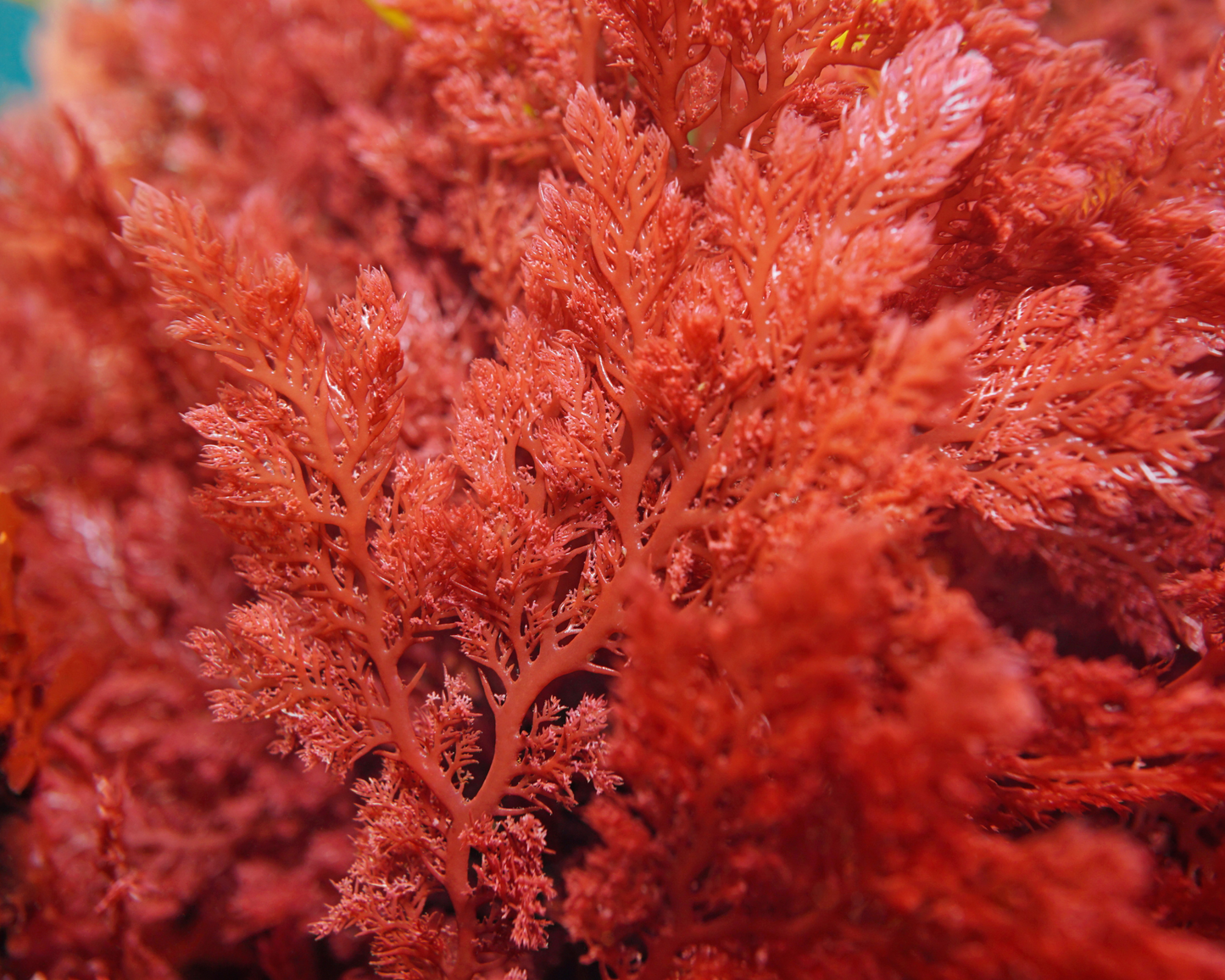
✔ Providing a refugium with macroalgae for natural food reproduction.
8. Conclusion
Advancements in captive breeding and live food enrichment have improved the sustainability of keeping S. splendidus. However, their strict dietary needs and behavioral tendencies require specialized care. Future research should focus on gut microbiota, larval nutrition, and enrichment strategies to further enhance survival rates.