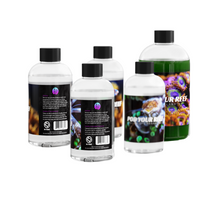
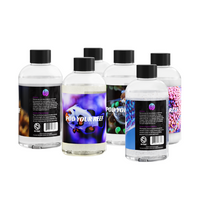
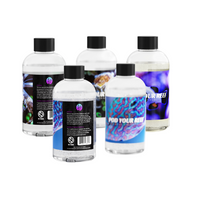
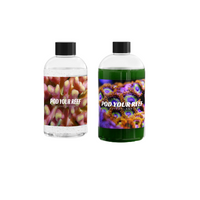

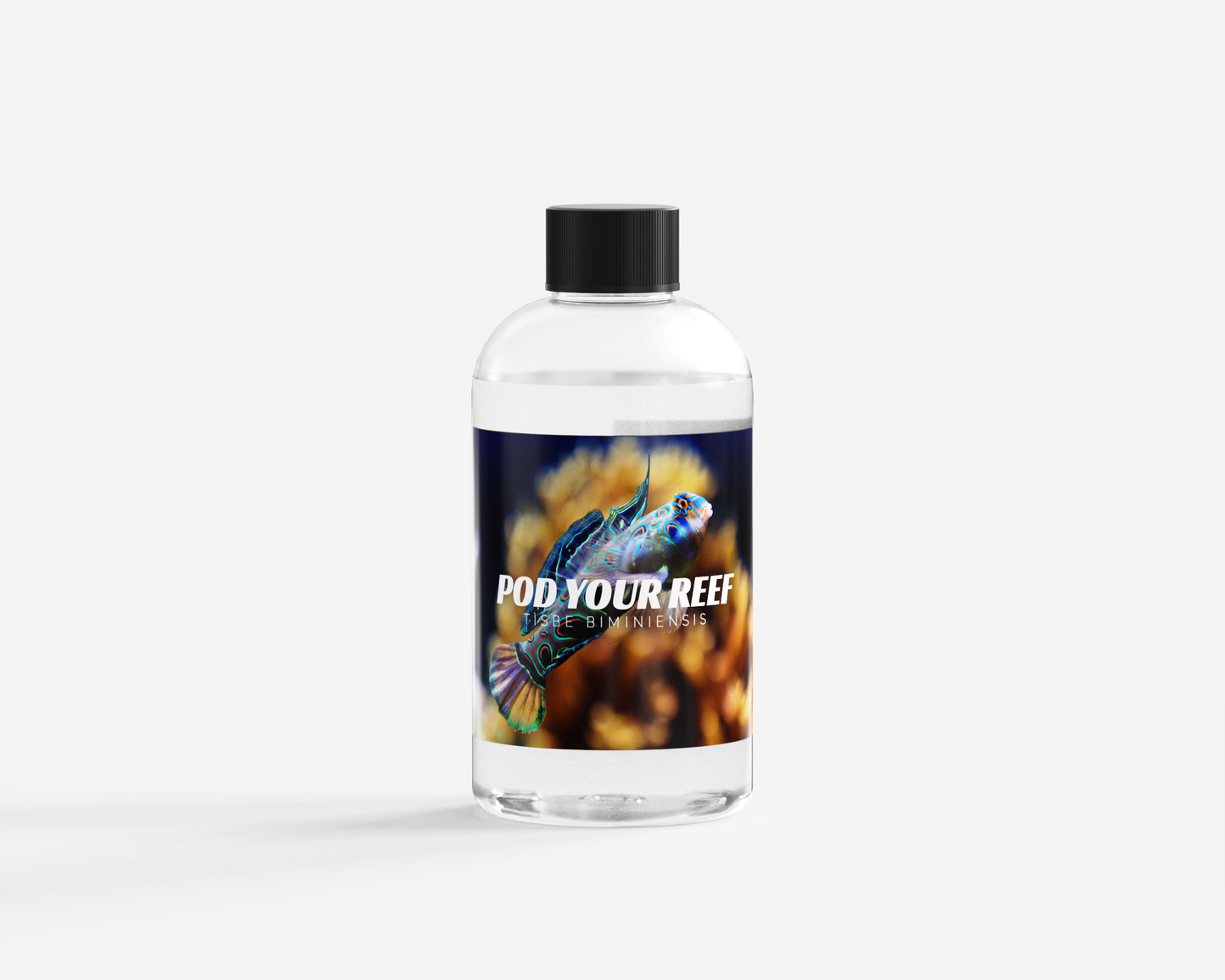
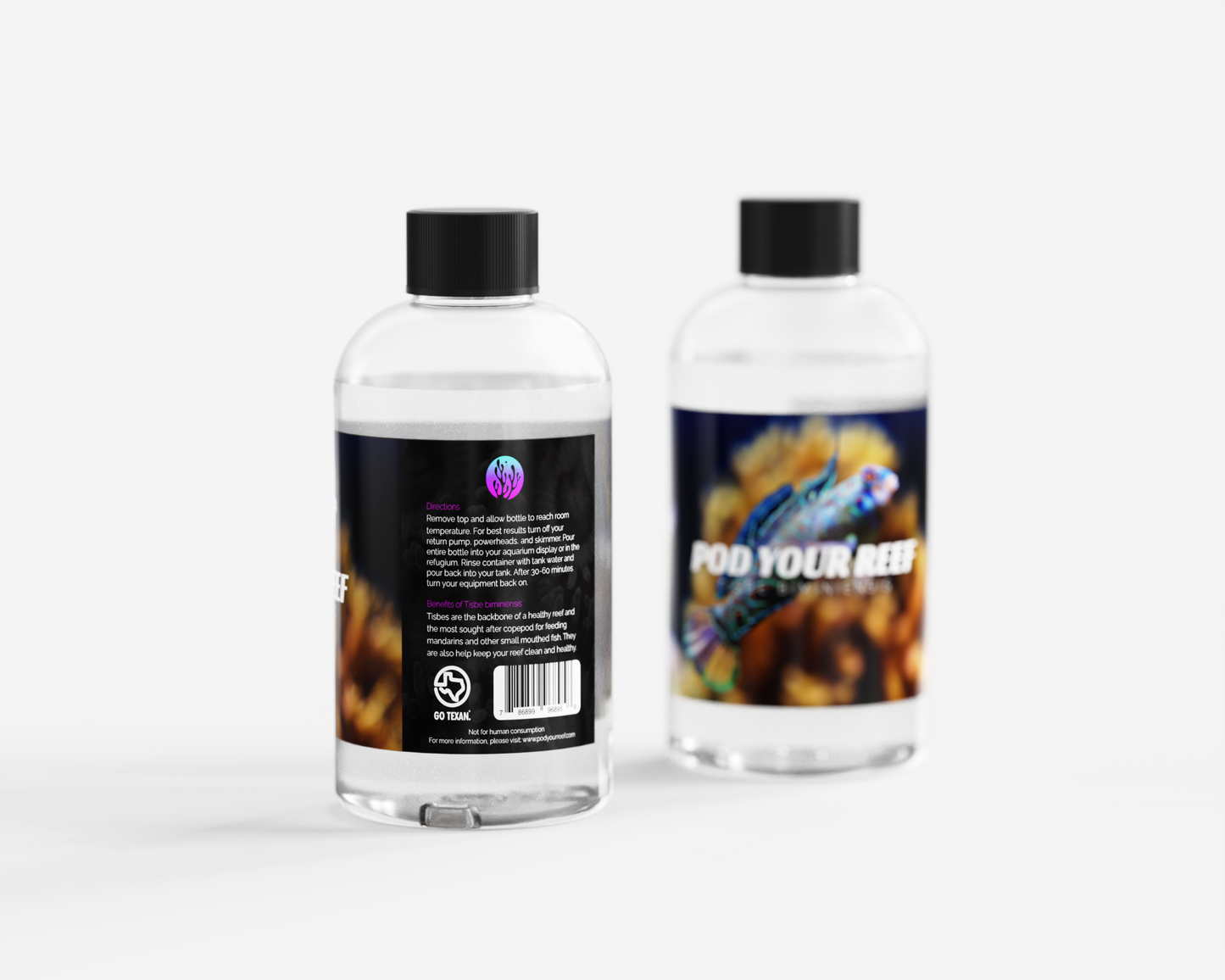
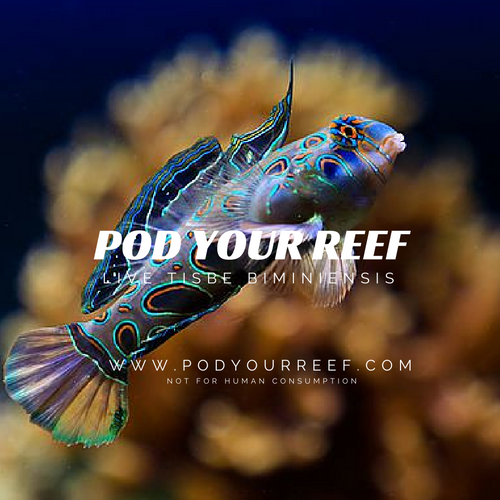
Tisbe Biminiensis Reef Copepods
Sale price
$28.00
Regular price $25.00
LIVE ZOOPLANKTON / SPECIES PROFILE
LIVE CULTURE FOR A LIVING REEF
A closer look at the biology, feeding role, and reef-tank value of this live culture.

Tisbe Biminiensis Reef Copepods / MICROGRAPH / LIVE CULTURE
SMALL ORGANISM. BIG ROLE.
PROFILE
Meet the species
Tisbe biminiensis is a small harpacticoid copepod beloved in the reef aquarium hobby – in fact, it’s often called the most popular “pod” for reef tanks. This tiny crustacean (adults reach ~0.5–0.75 mm in length) is native to tropical and subtropical waters worldwide, where it inhabits shallow reefs and seagrass beds. Tisbe’s popularity stems from its rapid reproductive rate, outstanding nutritional profile, and versatile...
Read the full species profile ↓WHY IT MATTERS
Why it works in a reef
Tisbe copepods provide an array of benefits that make them a must-have microfauna for reef ecosystems. Nutritionally, they are rich in proteins and healthy fats (including highly unsaturated fatty acids). In fact, when well-fed on phytoplankton, Tisbe can accumulate and convert nutrients into “golden” HUFA-rich biomass, turning low-quality detritus into high-quality food for your fish and corals. This species’ diet is extremely broad –...
Explore the reef benefits ↓IN YOUR REEF
Feeding behavior & reef role
Live Tisbe copepods are a fantastic live food source for many reef inhabitants. Small, slow-moving, and benthic, they are ideal prey for fish that naturally forage for food in rocky and sandy areas. Fish with specialized feeding needs, such as mandarin dragonets, scooter blennies, pipefish, and seahorses, relish Tisbe pods crawling on live rock and macroalgae. These fish often cannot obtain sufficient nutrition from frozen foods alone, so a steady supply of Tisbe in the tank...
See feeding & reef role ↓LIVE-FEED ROUTINE
Seed the food web
01Seed
Add culture to the display, refugium, or both based on your reef setup.
02Settle
Give pods access to rockwork and protected habitat where they can establish.
03Establish
Allow time for the population to reproduce and move through the food web.
04Support
Maintain the base of the food web with appropriate live microalgae and husbandry.
DEEP DIVE
Explore the science
Meet the species
Why it works in a reef
Feeding behavior & reef role
Reef ecosystem role
Life cycle & reproduction
Product specs & details
Tisbe biminiensis Copepods – “Tisbe Pods”
The Tisbe biminiensis, commonly known as Tisbe Pods, is our best-selling copepod species and a staple in many reef tanks. Hardy, prolific, and nutrient-rich, these harpacticoid copepods are ideal for feeding mandarins, scooter blennies, pipefish, seahorses, and other finicky marine fish.
Package Details
- Size: 8 oz
- Order: Harpacticoida
- Habitat: Benthic (bottom-dwelling)
- Life Stages Included: Eggs, nauplii, copepodites, and egg-bearing females
- Culture Method: 100% aquacultured in sterile conditions
Nutritional Advantages
- Excellent source of highly unsaturated fatty acids (HUFA), including essential n-3 fatty acids
- High protein content to support vibrant coloration, strong immune systems, and healthy growth
Reef Tank Benefits
- Rapid reproduction and short gestation period ensure a constant live food supply
- Resilient to parameter swings—suitable for both beginners and advanced reef keepers
- Consume detritus and film algae, helping maintain a balanced, cleaner ecosystem
Perfect For
- Dragonets (Mandarins, Scooters)
- Pipefish & Seahorses
- Juvenile fish and small invertebrates
- Refugium seeding and long-term pod cultures
How They Work in Your Reef
Tisbe copepods are benthic, living and breeding on rock surfaces, within substrate, and in refugia. They continuously provide live nutrition for your reef inhabitants while also acting as part of your cleanup crew by reducing nuisance algae and recycling detritus. Adding Tisbe Pods is one of the most effective ways to boost biodiversity and stabilize your reef tank’s food chain.
Give your tank the nutrition it deserves—add live Tisbe copepods today and see your reef thrive.
COMPARE THE LINEUP
Which pod is right for your reef?
Compare the cultures side by side, then choose the one that best fits the feeding strategy and biodiversity goals of your reef.
Current


TISBE PODS
Small, benthic copepods that establish in rockwork and protected surfaces.
SizeSmall
HabitatRockwork + substrate
BehaviorBenthic / surface grazing
Best forMandarins + long-term seeding
$25.00

APO PODS
Medium-sized, versatile copepods with both surface and water-column behavior.
SizeMedium
HabitatRockwork + water column
BehaviorBenthic + free-swimming
Best forBroad all-around feeding
$25.00

TIG PODS
Large, highly visible live prey with distinctive movement in the water.
SizeLarge
HabitatSurfaces + open water
BehaviorVisible hopping/swimming
Best forStrong feeding response
$25.00
REEF KEEPERS, VERIFIED
WHAT HOBBYISTS ARE SAYING
Real feedback from reef keepers using Pod Your Reef live cultures in working reef systems.
Build Your Reef Food Web
Frequently Asked Questions
Live Copepods: Tisbe, Apo, and Tig Pods
Pod Your Reef offers Tisbe biminiensis, Apocyclops panamensis, and Tigriopus californicus live copepods — often nicknamed Tisbe, “Apo” pods, and Tig pods. Each species has unique traits and ideal uses:
Tisbe biminiensis – Hardy, Tiny, and Prolific
Small harpacticoid copepods that live mostly on surfaces (benthic). They reproduce extremely fast with high fecundity and short gestation, producing all life stages from eggs to adults in the bottle.
Tisbe pods hide in rockwork and consume detritus and film algae, helping clean the tank. They’re very hardy (resistant to parameter swings) and are the go-to choice for sustaining populations to feed dragonets (mandarins, scooters), pipefish, seahorses, and other finicky, pod-eating fish.
Their small size also makes them suitable for tiny invertebrates and coral polyps as natural prey.
Apocyclops panamensis – Versatile and All-Purpose
Medium-sized cyclopoid copepods that combine the habits of both Tisbe and Tigriopus. Apo pods will hide among rocks like Tisbe (providing a refuge for continuous breeding) and actively swim in the water column like Tig pods.
This means a wider range of reef inhabitants can eat them – both fish that pick at surfaces and those that snap prey from the water. They have a fast reproduction rate and are excellent for seeding new tanks or refugiums due to their versatility.
Apocyclops are easier to see than tiny Tisbe but not as visually conspicuous as Tigriopus, so they often evade predation long enough to multiply quickly. In short, they are an all-purpose copepod that boosts biodiversity and feeds a broad variety of fish.
Tigriopus californicus – Bold, Nutritious, and Eye-Catching
Large, bright red harpacticoid copepods (about 250–1500 µm). They tend to stay on surfaces but have a jerky, swimming “hop” that is very enticing to fish.
Tig pods are packed with color-enhancing astaxanthin (hence their red color) that can help brighten up dull fish coloration. Because of their size and movement, almost any fish will eagerly hunt them down – they trigger a strong feeding response in picky eaters like wrasses, anthias, clownfish, and dwarf seahorses.
Females are highly productive (each can release up to ~300 offspring per batch) and have a short gestation period. However, due to their larger size, they may get consumed faster in display tanks, so sustaining a population often requires a refugium or periodic replenishment.
Tigriopus will also graze on detritus and microalgae, contributing to clean-up while they hide and breed. In summary, Tig pods are great to provoke feeding and boost nutrition (rich in fatty acids and pigments), but they are best used alongside smaller species for a continuous food supply.
How Do I Add Live Copepods and Rotifers to My Reef Tank?
Adding live pods and rotifers is straightforward, but a few tips will maximize their survival and impact on your reef:
Acclimation
In general, copepods and rotifers do not require extensive drip acclimation like fish or corals. They are surprisingly hardy and can handle salinity and temperature shifts well, as they are detritivores adapted to variable environments (podyourreef.com).
To acclimate:
- Float the bottle in your tank or sump for ~15 minutes to match temperature.
- If salinity differs greatly, slowly mix a bit of tank water into the bottle over 10–15 minutes.
- Many cultures are already kept at reef salinity (~1.025), so this step is often unnecessary.
Turn off or slow mechanical filtration (skimmer, socks, UV, etc.) for about an hour when adding live zooplankton to prevent them from being skimmed or killed before settling in.
When to Add (Timing)
Copepods: Add them after lights out or under low lighting. Most pod-eating fish (like mandarins and wrasses) are asleep, giving pods time to hide. This also prevents them from swimming toward light and getting eaten.
Rotifers: Timing is less critical, but after lights out ensures coral polyps are extended to capture them. Many reefers use a turkey baster to target-feed rotifers directly to coral colonies just after dark.
How to Add Copepods
Gently swirl the bottle to distribute settled copepods. Then:
- Pour into high-flow areas near rocks or refugium.
- Split between the display tank and refugium if possible.
- Refugiums are ideal since they’re predator-free and full of algae for feeding and breeding.
Pod Your Reef cultures include a mix of life stages (nauplii to gravid adults), so adding in various spots improves their survival and reproduction chances.
After releasing, leave pumps off for 10–15 minutes if possible to allow pods to settle onto surfaces.
How to Add Rotifers
Rotifers usually arrive in greenish water (phytoplankton-rich). To add:
- Pour directly into a high-flow area of the display or sump.
- If target-feeding corals, use a pipette to gently squirt near their polyps.
No need to turn off return pumps — rotifers stay suspended better with flow — but do turn off the skimmer temporarily. They don’t need hiding places and will either be eaten or briefly persist if phytoplankton is available.
Quantity and Frequency
Copepods:
- Moderately stocked tanks: 1 bottle (8 oz) every few weeks is usually enough, especially with a refugium.
- Heavily stocked/predator tanks: Add more frequently or maintain a continuous culture.
- Many hobbyists add a bottle monthly to "boost" populations.
Rotifers:
- Can be dosed several times per week or even daily in small amounts.
- Example: 4–8 oz every other day in SPS tanks to feed corals.
Monitor nutrients — live feeds usually have minimal impact, but uneaten excess can break down. Adjust dosing so that most are consumed within a day or two.
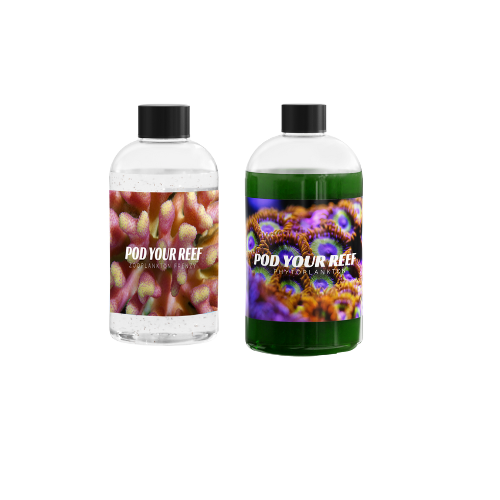
Yes! mixing species is not only okay, it’s often beneficial! In a display tank or refugium, having multiple zooplankton species increases biodiversity and fills different ecological niches. Pod Your Reef even sells mixed cultures (like Zooplankton Frenzy, which includes Tisbe, Tigriopus, and Apocyclops) because blends support a broader range of marine life.
Coexistence in the Display
Different copepods tend to separate themselves by habitat:
- Tisbe (tiny, benthic) – Rock pores, sand, and algal films
- Apocyclops (medium, semi-pelagic) – Hide and free-swim
- Tigriopus (large, red) – Congregate in high-flow and surface zones
Because of this, they don’t outcompete each other significantly. For example, if a wrasse picks off the larger Tigriopus, smaller Tisbe hiding in the rocks may survive and continue breeding. Apocyclops often “mimic both Tisbe and Tig,” filling the gaps in behavior and habitat.
Mixed Culturing
You can try to culture multiple species together in a vessel, but results may vary:
- One species may dominate due to faster reproduction or better food utilization (e.g., Apocyclops can outcompete Tisbe in closed systems).
- Tisbe may still persist by eating detritus and biofilms others don’t consume.
- Most hobbyists culture pods separately, then mix them when feeding the display to ensure balance and success.
Rotifers are usually cultured separately from copepods. Their rapid reproduction and overlap in food needs (microalgae) can lead them to outcompete copepods in a shared culture.
In-Tank Mixing Benefits
In the display or refugium:
- Tisbe and Apocyclops establish on surfaces and breed steadily.
- Rotifers multiply in the water column and serve as food for coral and filter feeders.
- Tigriopus offer bursts of high-nutrient prey and trigger feeding responses.
The differing life cycles and behaviors create a more stable, continuous food web. A variety of prey sizes and nutrition profiles helps keep fish and coral healthier – Tisbe offer detritus-derived fatty acids, Tigriopus are rich in astaxanthin, and Apocyclops consume both algae and waste. Rotifers add high-protein, planktonic diversity.
Any Drawbacks?
No harmful interactions have been observed between these species. The main concern is food competition, which is manageable with proper feeding (phytoplankton, detritus, etc.). They often complement one another – for example, Tigriopus might miss fine particles that Tisbe can consume, and rotifers are too small to compete directly.
Avoid mixing tropical and temperate species, but all offerings from Pod Your Reef are compatible tropical/subtropical pods.
Summary
Mixing pods and rotifers strengthens your reef’s microfauna base and mimics the diverse food web of a natural reef. That’s why Pod Your Reef offers multi-species blends. Whether you’re feeding a mandarin, clownfish, or corals, diversity ensures everything finds suitable prey – from the tiny Tisbe in the rocks to the “tigger” pods hopping in open water. A healthy reef is a biodiverse reef.