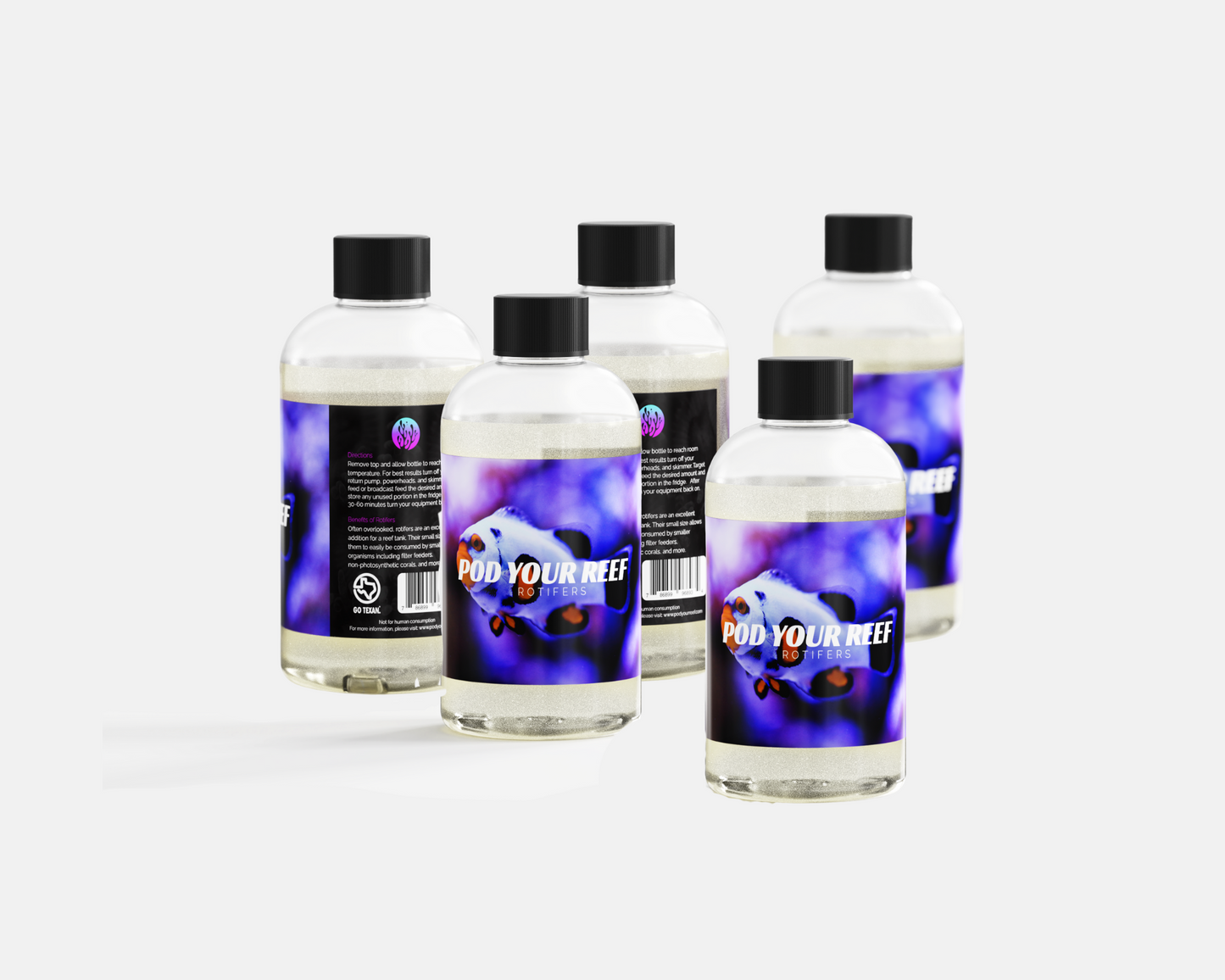

Sold out

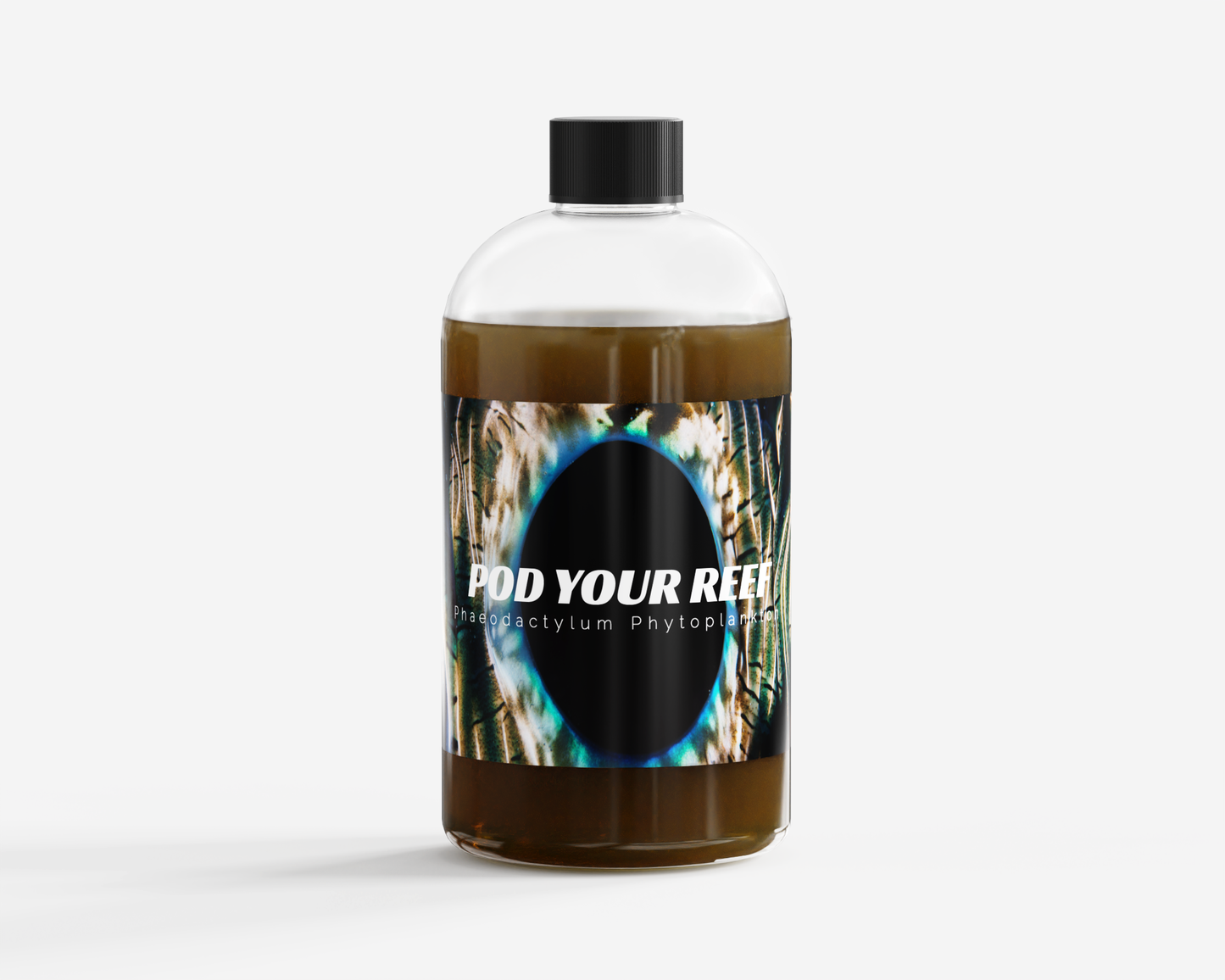
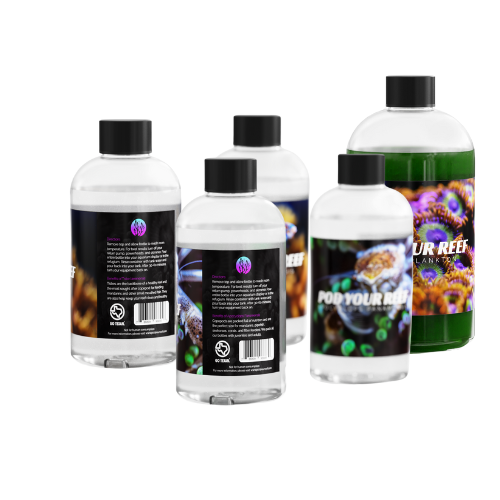
Phaeodactylum tricornutum Phytoplankton

Regular price $30.00
Harvested on order date
FREE UPS/FEDEX US shipping over $80.

Back in soon

Pickup currently unavailable

LIVE PHYTOPLANKTON / CULTURE PROFILE

THE FOUNDATION OF THE REEF FOOD WEB

A closer look at the strain, nutritional profile, and role this live culture can play in your reef food web.

CULTURED FRESH Harvested on order date
NUTRITION Beneficial marine diatom
CELL PROFILE Rich in Omega-3 fatty acids
REEF ROLE High levels of carotenoids
Phaeodactylum tricornutum Phytoplankton microscopy image
Phaeodactylum tricornutum Phytoplankton / MICROALGAE / LIVE CULTURE

MICROSCOPIC CELLS. FOUNDATIONAL NUTRITION.

Live microalgae Reef food web Cultured fresh
PROFILE

Meet the culture

Phaeodactylum tricornutum is a fascinating pennate diatom (class Bacillariophyceae) known for its variable cell shapes and extraordinary nutritional value. It ranges roughly 10–20 µm in length, and unlike many algae, it doesn’t have one fixed morphology – it can appear as oval cells, fusiform (rod-like “pea pod” shape), or even triradiate (three-armed star-like shape) depending on culture conditions. This shape-shifting is thought to help...

Read the full culture profile ↓
WHY IT MATTERS

Nutritional profile

The standout feature of Phaeodactylum is its extremely high Eicosapentaenoic Acid (EPA) content. Studies have found it can have up to 51.8% EPA as a percentage of total fatty acids – a level far above most other phyto. (For comparison, Nannochloropsis might max out around 30% EPA and has 0% DHA, whereas Phaeodactylum ~50% EPA plus a bit of DHA.) This makes Phaeodactylum one...

Explore the nutritional profile ↓
IN YOUR REEF

Best use in a reef

Phaeodactylum is best used as a supplemental feed to supercharge the nutritional profile of your reef diet. Think of it as the “boost” that ensures your animals get enough EPA and protein. One prime use is in copepod and rotifer enrichment. If you add Phaeodactylum to your pod cultures or refugium, the copepods feeding on it will become insanely rich in EPA, turning them into a superior food for fish fry and finicky eaters. For instance,...

See best use in a reef ↓
LIVE-FEED ROUTINE

Build from the bottom up

01Resuspend

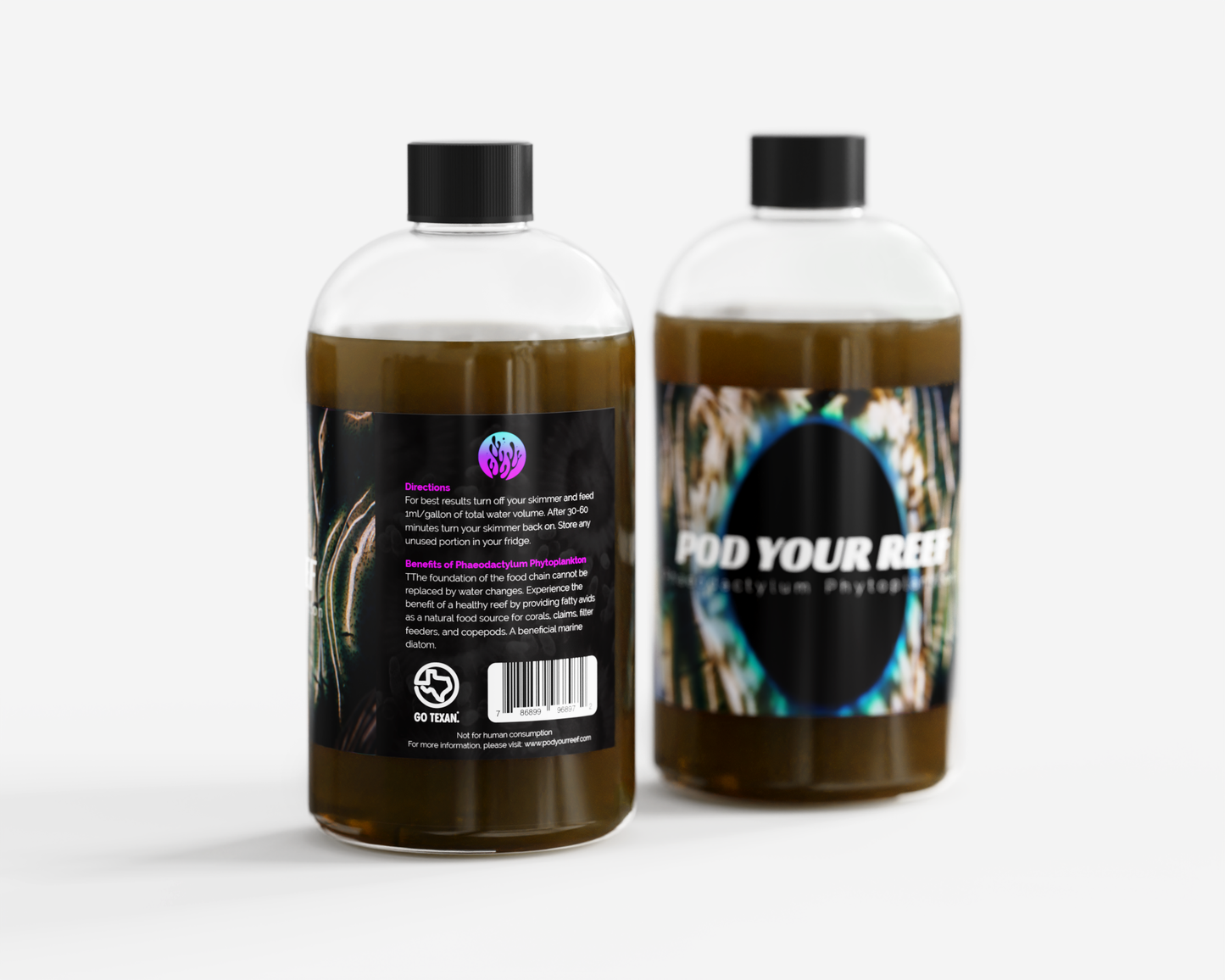
Gently mix the live culture before use so cells are evenly distributed.

02Dose

Add according to your livestock needs and the directions provided with the culture.

03Feed the web

Support rotifers, copepods, filter feeders, and the broader plankton community.

04Keep fresh

Store and use the culture according to the product directions for best quality.

DEEP DIVE

Explore the science

Meet the culture

Phaeodactylum tricornutum is a fascinating pennate diatom (class Bacillariophyceae) known for its variable cell shapes and extraordinary nutritional value. It ranges roughly 10–20 µm in length, and unlike many algae, it doesn’t have one fixed morphology – it can appear as oval cells, fusiform (rod-like “pea pod” shape), or even triradiate (three-armed star-like shape) depending on culture conditions. This shape-shifting is thought to help it adjust buoyancy: fusiform and star shapes tend to float better, keeping Phaeodactylum suspended in the water column. In aquaculture, it’s appreciated because it tolerates reef-like salinities and can even grow with limited silicate (it’s considered a “siliciform” diatom that doesn’t heavily rely on silica). It has a silica frustule (shell), but thinner/delicate compared to sturdier diatoms like Chaetoceros. In color, Phaeodactylum cultures are brownish or khaki due to diatom pigments (high in fucoxanthin). It is non-motile (no flagella), so it relies on water movement to stay mixed in the tank, however, its buoyant shapes and any spines help counter sinking. This species is aquacultured and sometimes in high demand (as it’s a bit tricky to produce, you might see it sold out periodically). Often called a “nutrient sponge,” diatom, it’s known to soak up nutrients and then deliver them to feeders. Overall, Phaeodactylum is revered as a cutting-edge addition to live phyto blends for reefs due to its unparalleled EPA content and ability to round out the diet.

Nutritional profile

The standout feature of Phaeodactylum is its extremely high Eicosapentaenoic Acid (EPA) content. Studies have found it can have up to 51.8% EPA as a percentage of total fatty acids – a level far above most other phyto. (For comparison, Nannochloropsis might max out around 30% EPA and has 0% DHA, whereas Phaeodactylum ~50% EPA plus a bit of DHA.) This makes Phaeodactylum one of the richest sources of Omega-3 for your reef. EPA is crucial for marine animal health, it supports anti-inflammatory processes, cell membrane integrity, and is a precursor to signaling molecules. While Phaeodactylum’s DHA content is lower (trace amounts to a few percent), its EPA load typically covers most omega-3 requirements when included in a multi-phyto diet. Beyond lipids, this diatom also boasts a high protein content (reports around 40–50% protein by dry weight) and significant carbohydrates for energy. It’s truly a high-density food: protein + HUFAs (Highly Unsaturated Fatty Acids). Pigments: being a diatom, it’s loaded with fucoxanthin, a brown carotenoid (hence the color) that has antioxidant properties. It also contains β-carotene and other xanthophylls. These pigments can enhance the coloration of organisms that consume the phyto by providing precursors to pigments like astaxanthin. Additionally, Phaeodactylum has a “balanced” amino acid profile with all essential aminos, which are vital for coral tissue growth. A notable thing about diatoms: they require silicate to build frustules, and Phaeodactylum will bind some silicate from the water when growing. However, it’s known as an “atypical” diatom in that it can sometimes continue dividing a few generations without added silica by altering its shape (hence its presence in silicate-poor reef systems isn’t immediately fatal). This means dosing it to your tank might actually help reduce silicate in the water (if any), potentially curbing unwanted diatom films by diverting silica into itself. The cell wall of Phaeodactylum is not very thick or indigestible; compared to Chaetoceros, it’s considered more easily digestible by zooplankton and filter feeders. In summary, Phaeodactylum is like a multivitamin for your reef: extremely high in EPA Omega-3, rich in protein, plus packed with pigments and nutrients that support robust marine life.

Best use in a reef

Phaeodactylum is best used as a supplemental feed to supercharge the nutritional profile of your reef diet. Think of it as the “boost” that ensures your animals get enough EPA and protein. One prime use is in copepod and rotifer enrichment. If you add Phaeodactylum to your pod cultures or refugium, the copepods feeding on it will become insanely rich in EPA, turning them into a superior food for fish fry and finicky eaters. For instance, reef breeders appreciate this diatom because feeding it to pods yields higher survival and growth rates of fish larvae that consume those pods (EPA has been shown to enhance larval robustness). In a display reef, Phaeodactylum can increase copepod production similarly to Tetraselmis or Nannochloropsis, by providing an excellent food source for them. Another use case: Coral feeding. Corals (both photosynthetic and non-photosynthetic) will capture Phaeodactylum from the water. Its cell size (~10-20 µm) is in the range for many LPS and SPS coral polyps, and the absence of motility doesn’t deter corals – they actually may find it easier to grab sinking particles. Phaeodactylum provides corals a big dose of EPA and carotenoids, which can enhance their tissue health and coloration. Non-photosynthetic corals that require constant feeding (like Sun Corals or Carnation corals) benefit from Phaeodactylum as part of a rotation, ensuring they get those essential fatty acids not present in, say, pure green phyto. Filter feeders of all kinds (feather dusters, tunicates, sponges, and clams) will consume it; clams, in particular, will filter it and possibly gain an advantage from the sterols or silica content for their symbiotic algae and shell formation. Phaeodactylum is also noted to be a nutrient sponge, as it grows rapidly and can efficiently consume nitrate and phosphate. If dosed to a refugium with light, it might actually proliferate a bit and take up excess nutrients, acting as a live nutrient export that then gets eaten by pods (a win-win). Even without a refugium, when added to the tank, it will temporarily absorb some nitrates/phosphates while alive. Some hobbyists do observe that heavy dosing of Phaeodactylum can lead to a slight diatom film on glass (since it’s a diatom) if not all consumed. However, this is usually minor and quickly cleaned by snails or filters. It often indicates you might have overdosed or the tank has leftover silicates. However, moderate dosing doesn’t typically cause visible films – in fact, using Phaeodactylum could prevent unwanted diatom blooms by consuming the silicates before they can settle and form a film. Another best use: as part of a multi-phyto regimen for comprehensive feeding. If you’re already dosing with Isochrysis and Nannochloropsis, adding Phaeodactylum a couple of times a week ensures the EPA component is maximized (especially useful if you keep species that thrive with high HUFA diets, such as certain sponges or gorgonians). It’s worth noting that Phaeodactylum has been used in aquaculture for mollusk larvae extensively because it improves growth and survival, so reefers with breeding projects for snails or clams might find it beneficial. Overall, use Phaeodactylum when you want to enrich the entire food web with an extra boost of nutrition, particularly if you are aiming for fast-growing corals, healthier larvae, or a more naturally balanced diet that includes diatoms as well as greens and reds.

Product specs & details

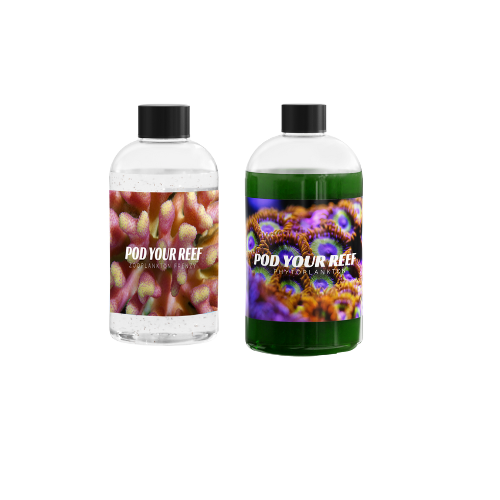
Phaeodactylum tricornutum Phytoplankton is renowned in aquaculture for its balanced nutritional profile of high-protein, high-carbohydrate, and incredibly high levels of essential Omega-3 fatty acids. It contains up to 51.8% EPA, far surpassing other microalgae species and providing exceptional nutrition for marine organisms.

  • Package size: 16 oz
  • 100% Aquacultured
  • The cell size of Phaeodactylum tricornutum can vary depending on the shape of the cell, as this species has diverse cell shapes. However, on average, the cell length of Phaeodactylum tricornutum is about 10-20 micrometers.
  • High density of carotenoids
  • Each cell has a tail-like flagella it can use to remain in the water column
  • Can survive in reef conditions and thus uneaten cells do not immediately become waste.
  • Increases copepod production.

Diet Advantage: Balanced nutrition profile containing EPA and carotenoids.

Reef Advantage: Live microalgae culture, provides a natural source of food for corals, clams, filter feeders, copepods, and other zooplankton due to the various cell sizes. Increases copepods density, aids in the management of excess nutrients

    COMPARE THE LINEUP

    Explore the phyto lineup

    Compare the cultures side by side, then choose the one that best fits the feeding strategy and biodiversity goals of your reef.

    Nannochloropsis Phytoplankton Culture

    Nannochloropsis

    Rich in eicosapentaenoic fatty acid

    $15.00
    Tetraselmis chui Phytoplankton

    Tetraselmis chui

    Motile and can remain in the water column

    $20.00
    Isochrysis galbana Phytoplankton

    Isochrysis galbana

    High yields of polyunsaturated fatty acids

    $20.00
    Rhodomonas Phytoplankton

    Rhodomonas

    Rejuvenates and intensifies color

    $35.00
    Chaetoceros Diatom Phytoplankton

    Chaetoceros Diatom

    Rejuvenates and intensifies color

    $30.00
    Current Phaeodactylum tricornutum Phytoplankton

    Phaeodactylum tricornutum

    Beneficial marine diatom

    $30.00
    REEF KEEPERS, VERIFIED

    WHAT HOBBYISTS ARE SAYING

    Real feedback from reef keepers using Pod Your Reef live cultures in working reef systems.
    How do I store live phytoplankton from Pod Your Reef, and how long will it last?
    How often and how should I dose live phytoplankton in my reef tank?