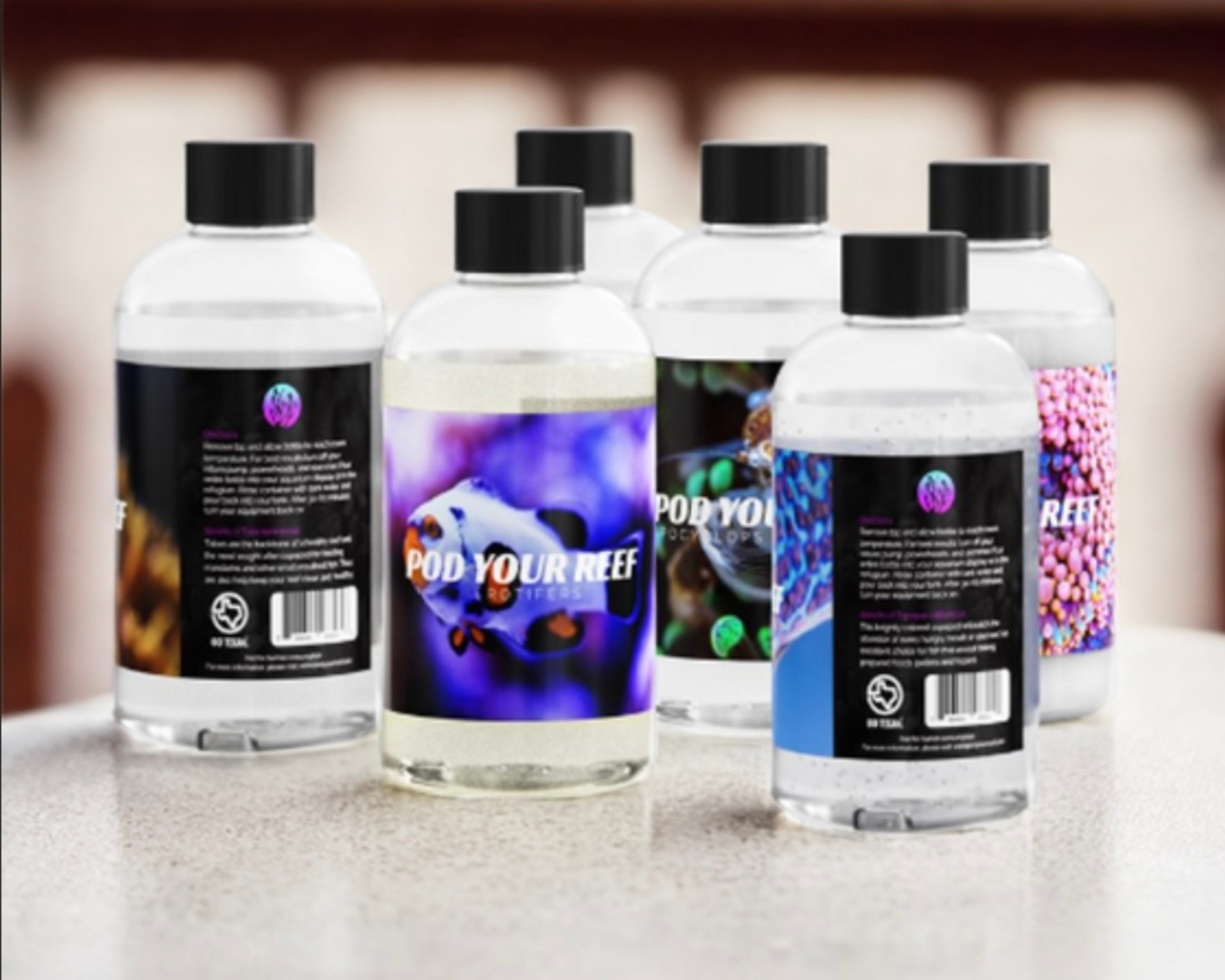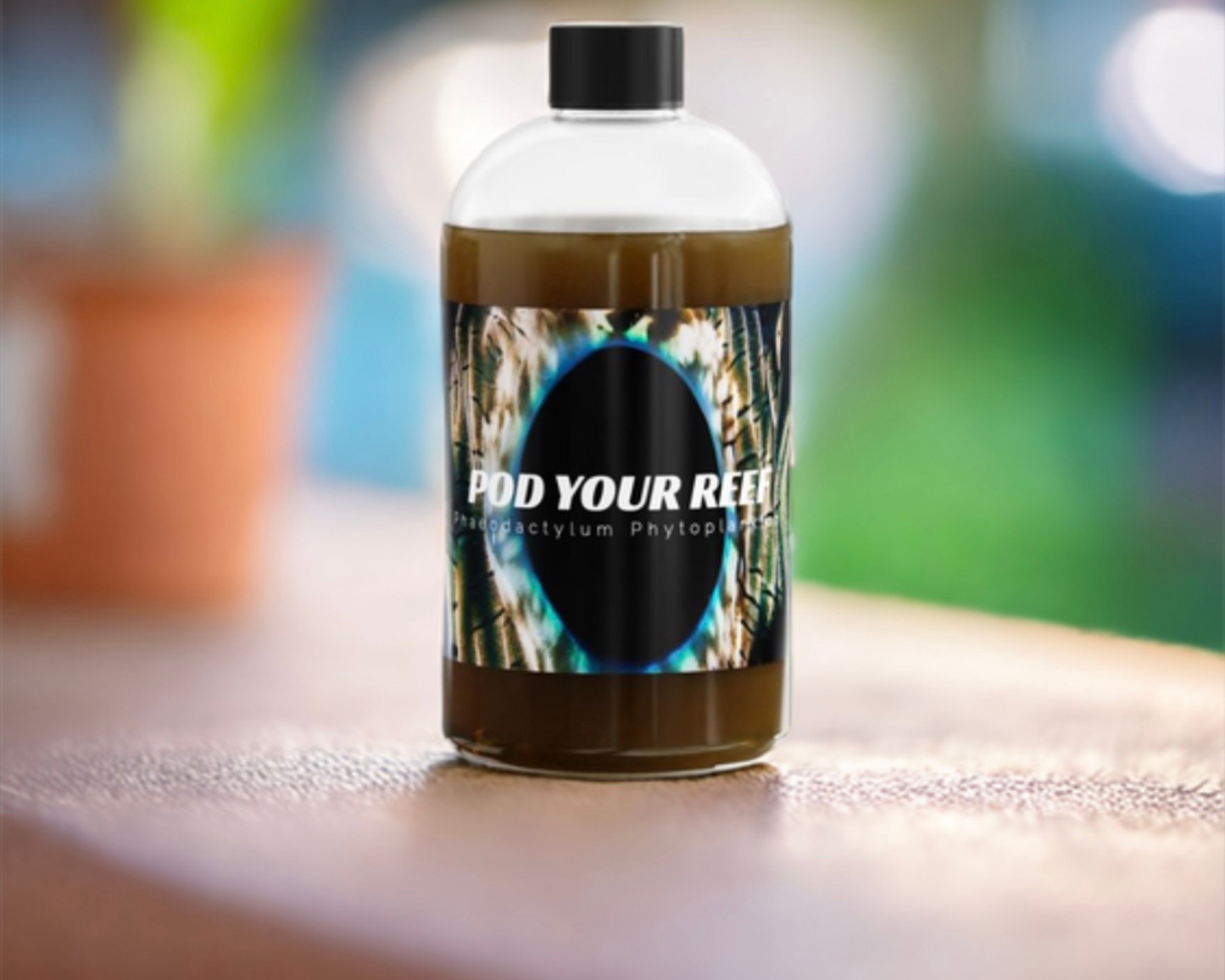
BFCM 30% OFF ALL LIVE FEEDS
Every live feed is 30% off—Tisbe, Apocyclops, Rotifers, Phyto, and more. Limited-time BFCM deal!
BFCM30


Photosynthetically Active Radiation (PAR) plays a crucial role in reef aquariums by providing corals with the light energy needed for photosynthesis. Understanding and managing PAR levels can mean the difference between a thriving reef and one struggling with poor growth and bleaching. This guide explores how PAR works, how to measure it, and how to optimize it for different coral types.
Additionally, corals are not entirely dependent on light alone. They can also supplement their energy needs by consuming plankton and organic nutrients. This article integrates research-backed insights on PAR, coral feeding strategies, seasonal variations in light, and stress responses, ensuring hobbyists have a comprehensive understanding of how to optimize coral health.
PAR refers to the portion of the light spectrum (400–700 nanometers) used by photosynthetic organisms, including the symbiotic algae (zooxanthellae) living within coral tissues. These algae convert light into energy, sustaining both themselves and their coral hosts.
Without sufficient PAR, corals can experience:
✅ Stunted Growth – Lack of energy limits tissue expansion and skeletal growth.
✅ Bleaching – Corals expel their symbiotic algae when light conditions are too extreme.
✅ Color Loss – Insufficient PAR can lead to dull, brownish hues instead of vibrant coloration.
While PAR is a useful measure, it's important to distinguish it from other lighting terms:
| Term | Definition | Importance in Reef Keeping |
|---|---|---|
| PAR (Photosynthetically Active Radiation) | Total light in the 400-700 nm range | Determines coral photosynthesis potential |
| PUR (Photosynthetically Usable Radiation) | The portion of PAR that corals can actually use | More useful than PAR alone for coral health |
| Lux | Brightness perceived by the human eye | Not a reliable indicator of coral lighting |
Key Takeaway: High PAR doesn’t always mean better results. Coral growth depends on the right wavelengths of light, particularly blue (450–470 nm) and red (620–660 nm), which optimize photosynthesis.
Measuring PAR is crucial for ensuring your corals receive optimal lighting.
A PAR meter allows hobbyists to measure light intensity at different points in the tank. Follow these steps:
Different corals have varying PAR needs:
| Coral Type | Ideal PAR Range (µmol/m²/s) |
|---|---|
| Soft Corals (Zoanthids, Mushrooms, Leather Corals) | 50–150 |
| LPS (Large Polyp Stony) Corals (Frogspawn, Torch, Hammer Coral) | 100–200 |
| SPS (Small Polyp Stony) Corals (Acropora, Montipora, Stylophora) | 200–400 |
| Tridacna Clams | 200–400 |
✅ Placement Tip: SPS corals thrive under intense light near the top, while soft corals and LPS corals do better in shaded or lower-light areas.
| Lighting Type | Pros | Cons |
|---|---|---|
| LEDs | Energy-efficient, customizable spectrum | Some models degrade over time |
| T5 Fluorescents | Even light spread, affordable | Requires frequent bulb replacement |
| Metal Halides | High PAR penetration, great for deep tanks | High heat output, energy-intensive |
While PAR is crucial, corals are also heterotrophic, meaning they capture and consume organic particles to supplement their diet.
✅ Boosts Zooxanthellae Health: Provides essential nutrients for photosynthesis.
✅ Enhances Coral Coloration: Carotenoids and pigments in phytoplankton enhance red and yellow hues.
✅ Supports Larval Development: Essential for coral spawning events.
Rotifers are small zooplankton rich in proteins and lipids, ideal for SPS and LPS corals.
✅ Increases Coral Growth Rate – Helps build skeletal mass in SPS corals.
✅ Supports Tissue Regeneration – Provides amino acids for healing.
✅ Stimulates Polyp Extension – Encourages active feeding behavior.
When corals experience sudden changes in PAR or feeding, they exhibit:
✅ Solution: Adjust PAR gradually and provide balanced feeding to prevent stress.
✅ Use a PAR meter to measure intensity at different depths in your tank.
✅ Implement target feeding schedules based on coral type.
✅ Increase PAR levels gradually to avoid photoinhibition.
| Time of Day | Light Intensity | Feeding Type |
|---|---|---|
| Morning | Low PAR (sunrise simulation) | Phytoplankton dose |
| Afternoon | High PAR (peak lighting) | Zooplankton feed |
| Evening | Medium PAR (sunset simulation) | Rotifer feeding |
| Problem | Symptoms | Solution |
|---|---|---|
| Bleaching | Corals turn white or translucent | Reduce light intensity, increase shading |
| Dull Colors | Corals appear brown or faded | Increase PAR slightly, adjust spectrum |
| Algae Overgrowth | Excessive algae growth on rocks | Reduce light exposure, control nutrients |
| Uneven Growth | Some coral parts grow faster than others | Reposition corals or adjust light spread |
Mastering PAR and feeding techniques is essential for a successful reef aquarium. By understanding its impact, measuring it correctly, and optimizing light settings, hobbyists can create a thriving coral ecosystem.
By combining strategic lighting adjustments with a varied diet, reef hobbyists can maximize coral health and coloration, ensuring a vibrant and healthy reef tank.