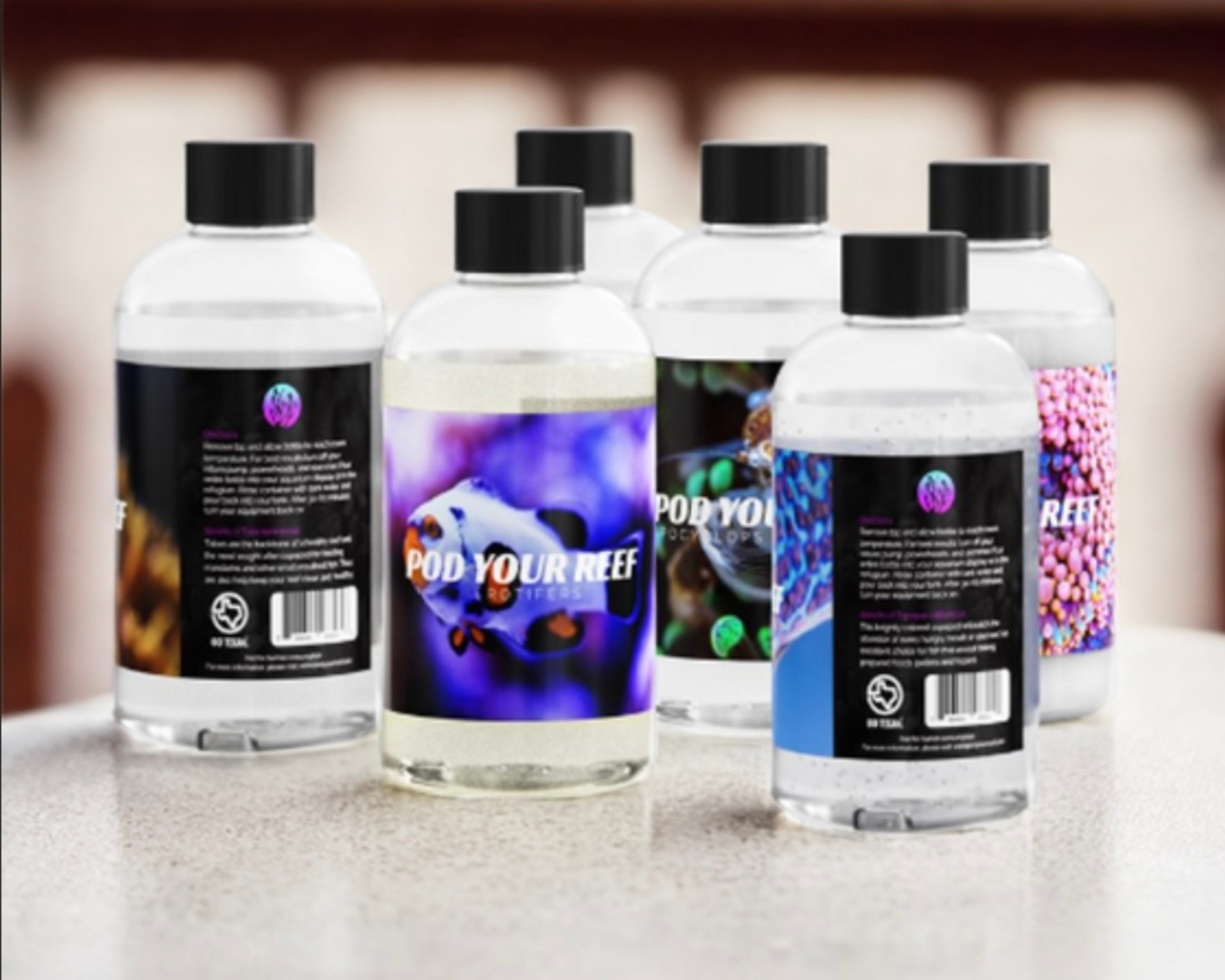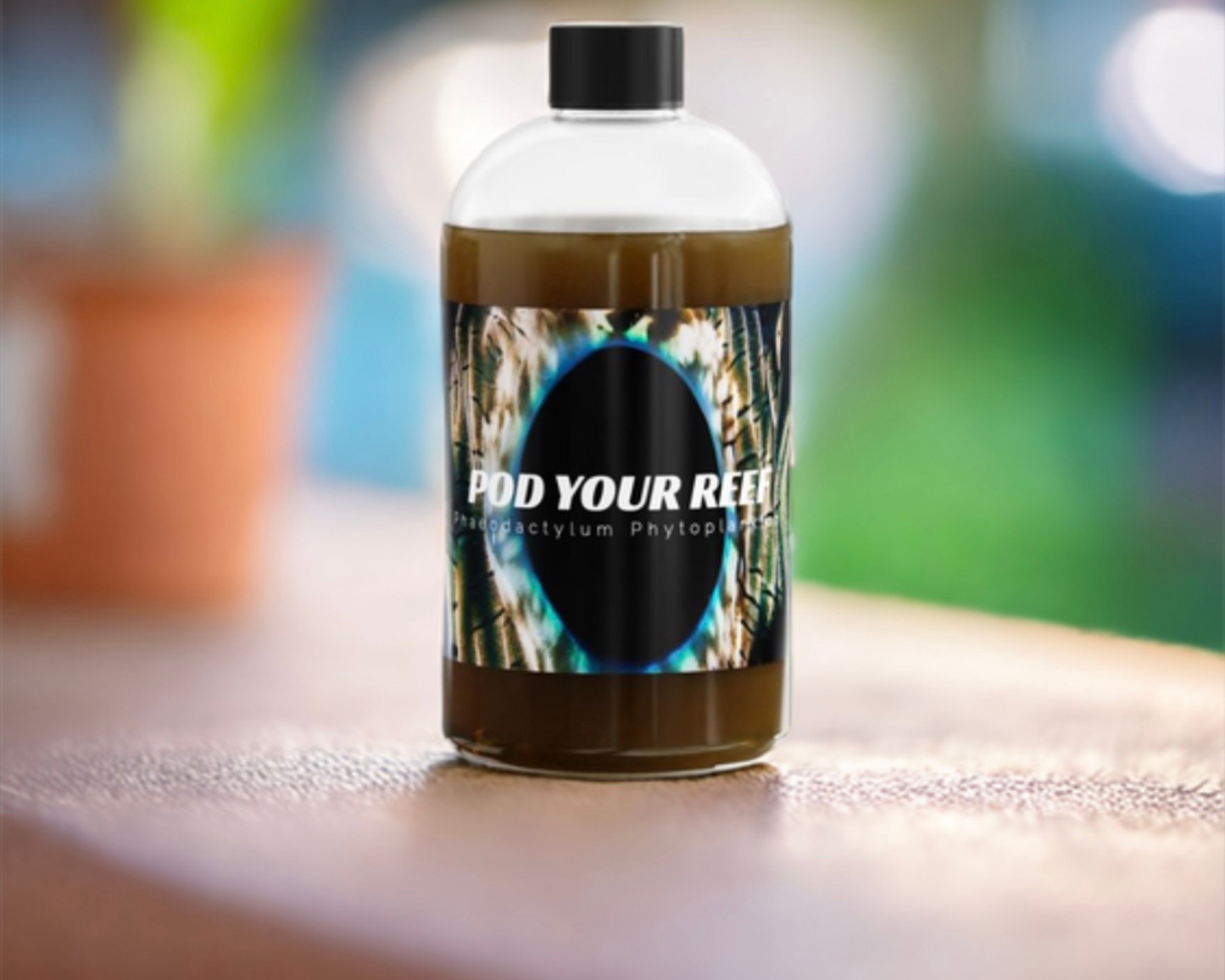
BFCM 30% OFF ALL LIVE FEEDS
Every live feed is 30% off—Tisbe, Apocyclops, Rotifers, Phyto, and more. Limited-time BFCM deal!
BFCM30

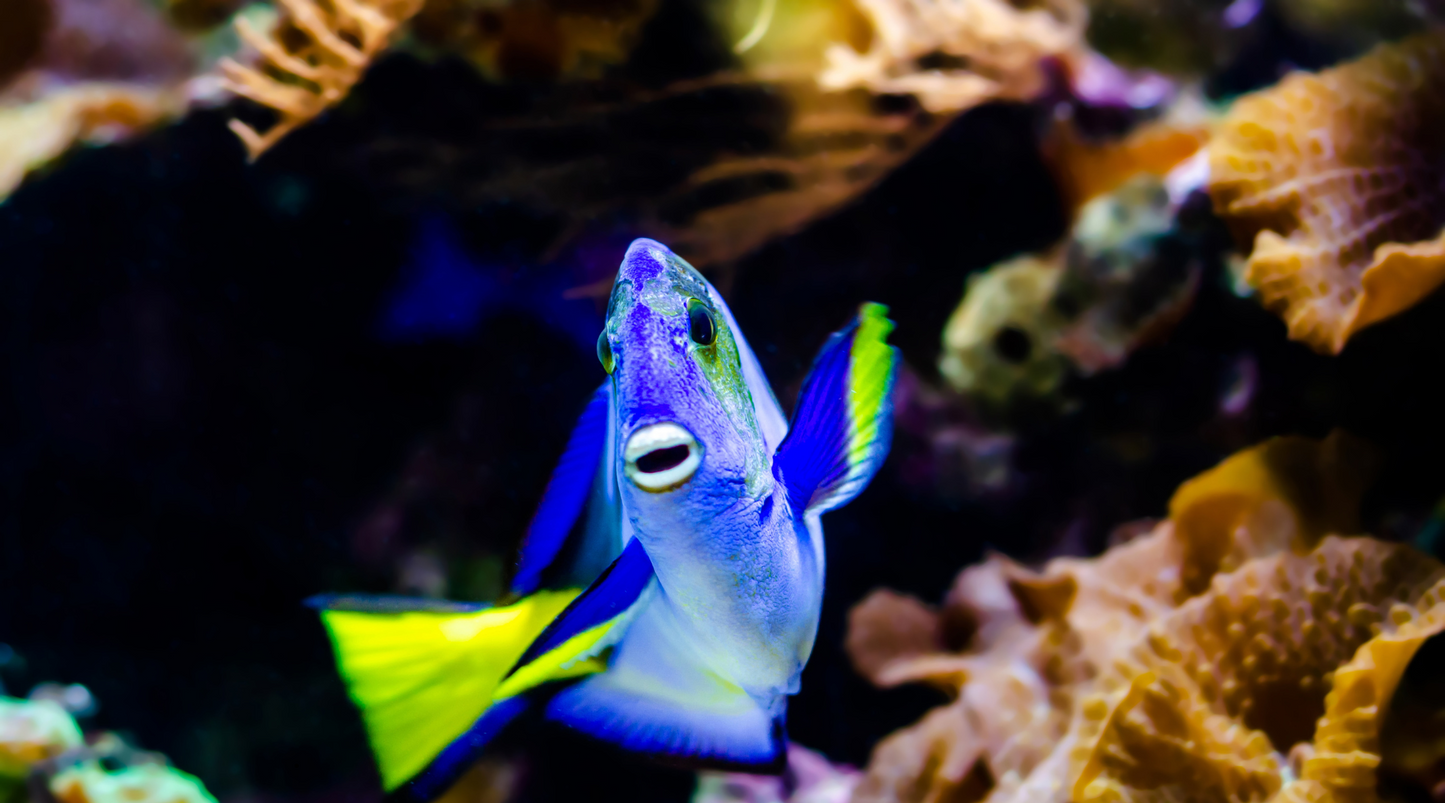
Lateral line disease (LLD), also known as head and lateral line erosion (HLLE), is a prevalent condition affecting marine fish, characterized by lesions and erosions along the lateral line and head regions. This condition is not only a significant concern for aquarists and fishery managers but also poses a challenge for marine biologists and veterinarians due to its complex etiology and multifactorial nature. This review aims to provide a comprehensive examination of LLD, delving into its clinical manifestations, potential causes, and current understanding based on recent scientific literature.
LLD is primarily identified by the progressive development of pits or lesions along the lateral line and head of affected fish. These lesions can vary in severity, from mild superficial pits to deep, ulcerative lesions that can compromise the health and aesthetics of the fish. Common symptoms associated with LLD include:
LLD is particularly prevalent in marine ornamental fish, which are commonly kept in reef tanks by hobbyists. Species such as tangs (Acanthuridae), angelfish (Pomacanthidae), and certain species of wrasses (Labridae) are especially susceptible to this condition. The stressors associated with captivity, including dietary deficiencies and suboptimal water quality, contribute to the higher incidence of LLD in these ornamental species.
The etiology of LLD is multifactorial, with several potential contributing factors identified in the literature. These include nutritional deficiencies, poor water quality, and parasitic infections.
One of the most extensively studied aspects of LLD etiology is the role of nutrition. Deficiencies in certain vitamins and minerals, particularly vitamin C (ascorbic acid) and vitamin A, have been linked to the development of LLD. Studies have shown that fish fed diets deficient in these essential nutrients exhibit a higher incidence of LLD, suggesting that proper nutrition is crucial for maintaining the integrity of the lateral line system.
To address these deficiencies, the use of live feeds has shown promise in improving the nutritional profile of the diet provided to marine ornamental fish. Live feeds such as phytoplanktons (e.g., Tetraselmis chui, Isochrysis galbana, Rhodomonas) and live copepods (e.g., Tisbe biminiensis, Tigriopus californicus, Apocyclops panamensis) are rich in essential nutrients and can enhance the overall health of the fish. These live feeds offer a natural and balanced diet that can help mitigate the nutritional deficiencies associated with LLD.
Poor water quality, including elevated levels of nitrates, ammonia, and heavy metals, has been implicated in the development of LLD. Suboptimal water conditions can stress fish, weakening their immune systems and making them more susceptible to diseases, including LLD. Maintaining optimal water quality parameters is therefore essential for preventing the onset and progression of LLD.
Many hobbyists rely on activated carbon for filtration in reef tanks to maintain water clarity and remove impurities. However, recent studies suggest that prolonged use of activated carbon can increase the prevalence of LLD in marine ornamental fish. The exact mechanism is not fully understood, but it is hypothesized that activated carbon might strip essential trace elements from the water or contribute to chemical imbalances that stress fish and make them more susceptible to LLD.
Parasitic infections, particularly by protozoans such as Hexamita spp., have been associated with LLD. These parasites can cause significant tissue damage and inflammation, contributing to the characteristic lesions of LLD. Research has indicated that treating affected fish with antiparasitic medications can help alleviate symptoms, further supporting the role of parasitic infections in the disease's etiology.
The pathophysiology of LLD involves a complex interplay of the identified etiological factors, leading to the degradation of the lateral line and head tissues. Nutritional deficiencies can impair collagen synthesis and wound healing, while poor water quality can exacerbate stress and immunosuppression. Parasitic infections directly damage tissues and elicit inflammatory responses, which can further degrade the affected areas.
Preventing and managing LLD requires a multifaceted approach addressing all potential contributing factors:
Lateral line disease is a multifactorial condition that poses significant challenges for marine fish health. Understanding the interplay of nutritional deficiencies, water quality, activated carbon use, and parasitic infections is crucial for effective prevention and management. Continued research is essential to further elucidate the mechanisms underlying LLD and develop more targeted intervention strategies.