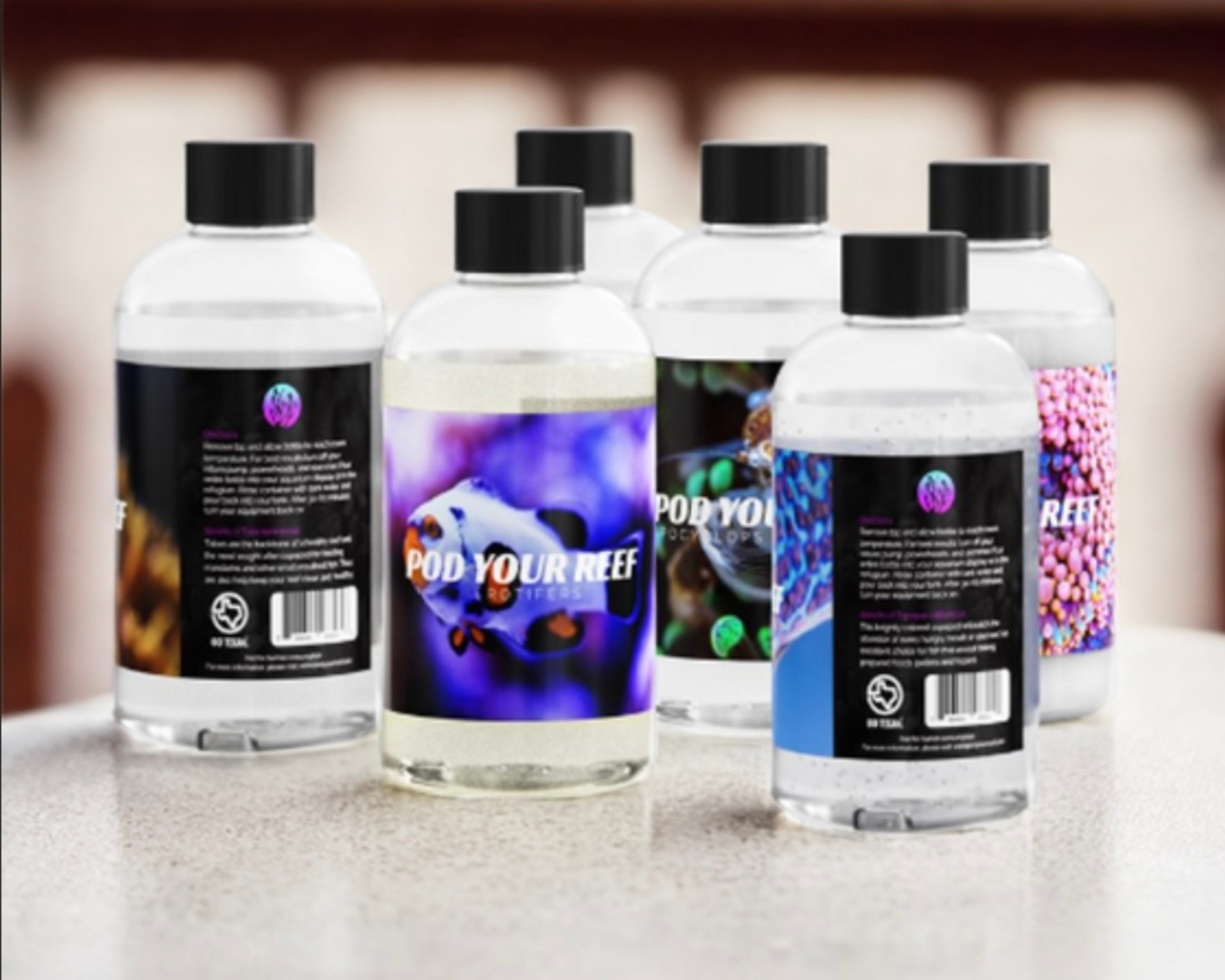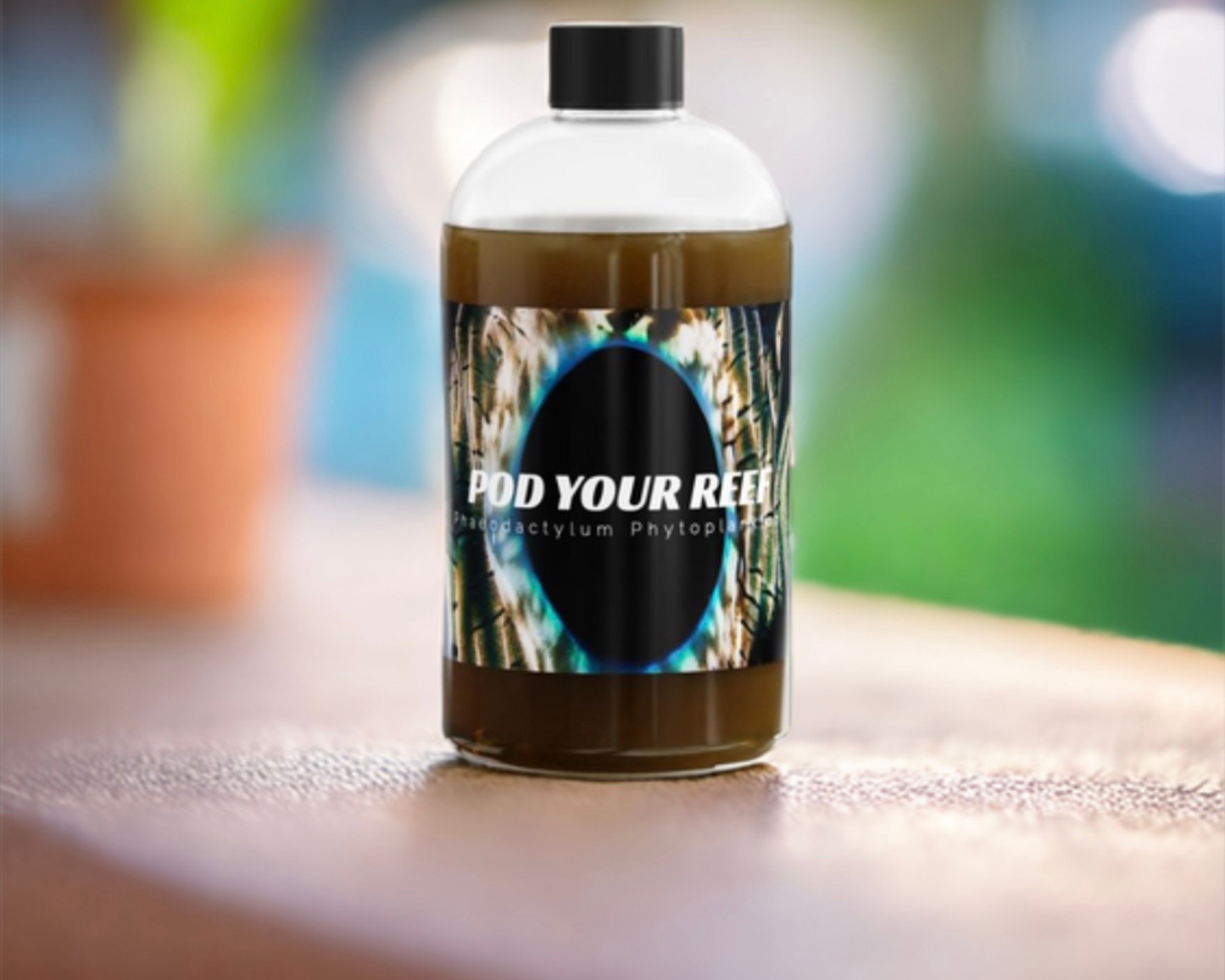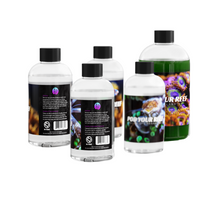
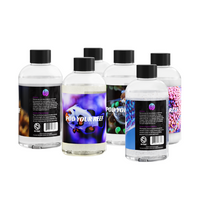
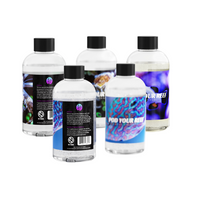
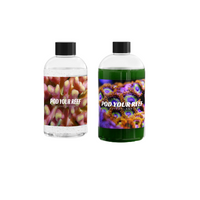
BFCM 30% OFF ALL LIVE FEEDS
Every live feed is 30% off—Tisbe, Apocyclops, Rotifers, Phyto, and more. Limited-time BFCM deal!
BFCM30

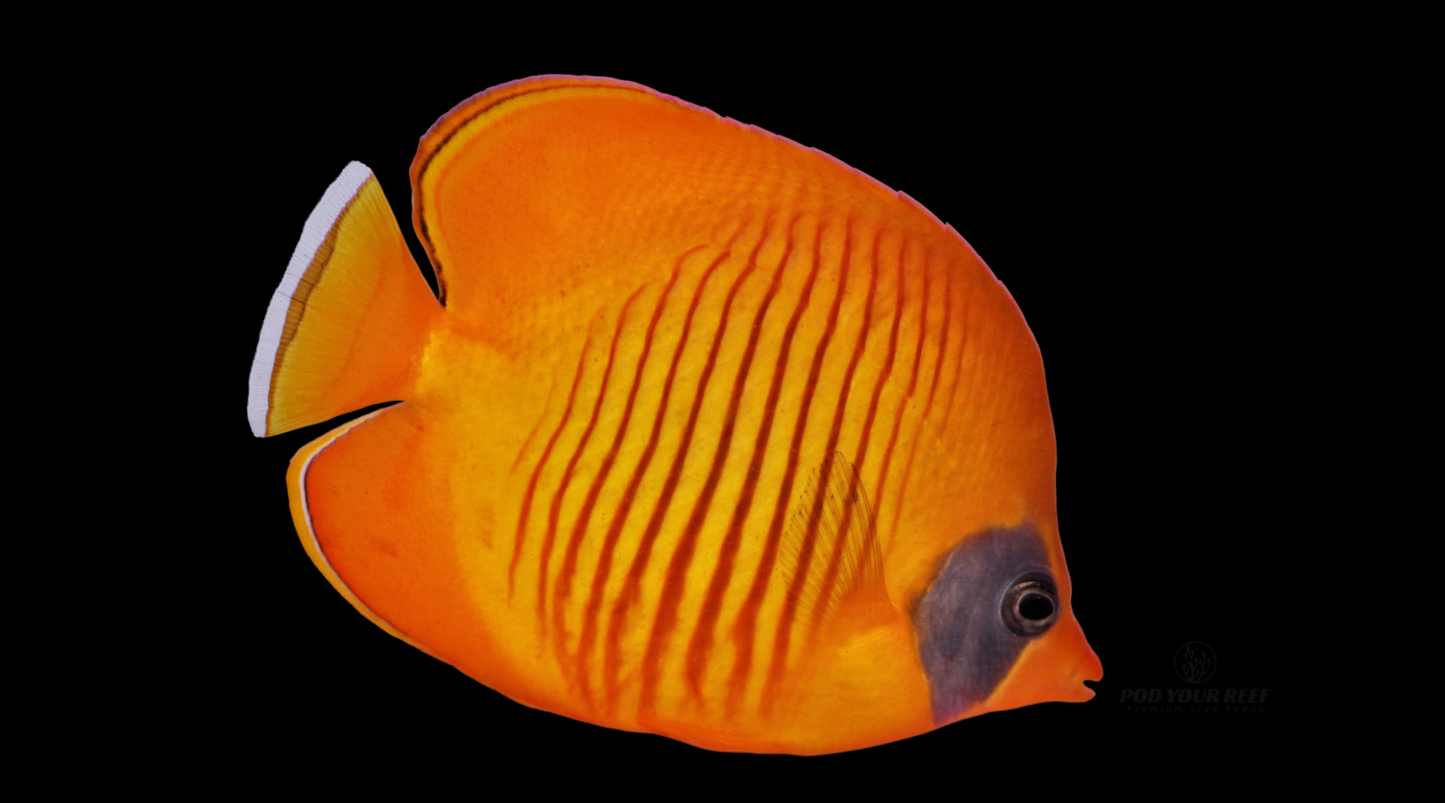

“Scleractinian corals are the most important food resource for the Japanese butterflyfishes, and next important are sea anemones, sedentary polychaetes, alcyonarians, and algae.” (Sano 1989) Chaetodontids spend the broad majority of their lives grazing: always searching for that ideal forage. Bonaldo et al 2005 documented that the Banded Butterflyfish (Chaetodon striatus) spent on average 11 hours and 30 minutes scouring the soft bottom of the Western Atlantic for anthozoans, polychaete worms, small crustaceans and mollusk eggs. They have relatively fast metabolisms (especially the zooplanktivores) and are designed to constantly be intaking high-quality forage. This should be kept in mind when considering the size of the aquarium to house any particular marine butterflyfish species and the number of grazing opportunities required to satiate it. The Chaetodontidae are united in that they are mega-grazers, constantly in search of continuous forage. In this regard, they have diverged into a tremendously diverse array of specialized feeding strategies. These diverse feeding specializations have been generalized into the following: hard-coral-feeders, soft-coral-feeders, rubble grazers, soft-bottom grazers, sponge-feeders and the pelagic zooplankton feeders. Each of these general groups contain a spectrum of specialists and generalists–but even these terms fail to capture the nuance exhibited by many chaetodontid species. For example, the Spotfin Butterflyfish (Chaetodon ocellatus) has a natural diet that is over 60% polychaete worm tentacles. Species such as the Schooling Bannerfish (Heniochus diphreutes), the Bluebotch Butterflyfish (Chaetodon plebeius) and the Easter Island Butterflyfish (Cheatodon litus) are specialized coral/sponge feeders as adults, yet exhibit novel ‘cleaning’ behaviors as juveniles where they consume ectoparasites off other reef fish. Though many species of marine butterflyfish show extreme preference for particular coral species, they can display an amazing degree of dietary and behavioral plasticity when ‘desperate’. For example, Melon Butterflyfish prefer Acropora almost exclusively, but when that coral’s density is low, they will consume a variety of previously ‘undesirable’ coral species. Maldanado et al 2019 postulated that various marine butterflyfish species can produce detoxification enzymes in order to compensate for unideal forage. The Eight-Banded Butterflyfish (Chaetodon octofasciatus) predominantly feeds on Acropora but displays a strong preference for Fungia corals when grazing at deeper depths. The Blacktail Butterflyfish (Chaetedon austriacus) prefers Montipora, Porites and Pocillopora yet will avoid Lobophyllia and Favites corals. Normally a benthic feeder, the Banded Butterflyfish (Chaetodon striatus) has been observed eating Chrysaora lactea jellyfish when conventional forage is scarce. Bertucci et al 2016 observed the Threadfin Butterflyfish (Chaetodon auriga), the Speckled Butterflyfish (Chaetodon citrinellus), the Saddle Butterflyfish (Chaetodon ephippium), the Oval Butterflyfish (Chaetodon lunulatus), the Chevron Butterflyfish (Chaetodon trifascialis) and the Pacific Double-Saddle Butterflyfish (Chaetodon utiliensis) aggregaterating around French Polynesian pearl oyster (Pectinacta margaritifera) farms to feast on the various biofouling organisms which grow on the aquaculture gear. This adaptive feeding plasticity offers new hope and clues for what nutrition is actually needed for these species.
The Family Chaetodontidae enjoyed an explosion of success in the early Miocene as it radiated in diversity along with the coral reefs it colonized. The result was an incredible amount of divergent evolution in terms of specialized jaw structures and gastrointestinal anatomy. All this means that each marine butterflyfish species is intimately connected to the forage it has evolved to graze upon, whether that be a stony coral, a soft sponge, a stinging anemone, a small cardenoid shrimp, a wafting rotifer or a pepping copepod. The mass grazing of marine butterflyfish regulates growth and community composition of wild coral reefs. They keep fast growing coral species from dominating over all others, but they also play an essential role in the distribution of those coral’s microbes. Reverter et al 2017 observed that various marine butterflyfish species were actively recruiting the microbes associated with their coral forage…and that these microbes operate a functional role within the fish, while being spread to new corals during subsequent grazing.
“Our results indicate that different fish species present specific bacterial assemblages. Finally, as mucus layers are nutrient hotspots for heterotrophic bacteria living in oligotrophic environments, such as coral reef waters, the high bacterial diversity found in butterflyfish gill mucus might indicate external fish mucus surfaces act as a reservoir of coral reefbacterial diversity.” (Reverter et al 2017)
This implies that marine butterflyfish are intimately dependent on their diet for recruitment of essential microbes. This is reinforced by the failure of various chaetodontid species to adapt well to conventional aquarium feeds, which are largely sterile. In the wild, marine butterflyfish will alter their diet greatly when coral reefs are distrubed and their preferred forage is scarce. This change in diet comes at a cost, where the fish may not grow as large, live as long, be as colorful or be more susceptible to disease. The imbalances reflected in wild maine butterflyfish adapting to significant reef disruptions, provides clues as to avoid such malnutrition in captive individuals.
“the gut microbiome of a facultative, coral-feeding butterflyfish (Chaetodon capistratus) is significantly more variable among individuals at degraded reefs with very low live coral cover (~0%) than reefs with higher coral cover (~30%), mirroring a known pattern of microbial imbalance observed in immunodeficient humans and other stressed or diseased animals. We demonstrate that fish gut microbiomes on severely degraded reefs have a lower abundance of Endozoicomonas and a higher diversity of anaerobic fermentative bacteria, which suggests a broader and less coral dominated diet.” (Clever et al 2020)
“The structure of the monogenean communities of butterflyfishes suggests that the diversity and complexity of community structures arises from a combination of host species-specific parameters.” (Reveter et al 2016)
The incredible morphological diversity amongst the marine butterflyfish has given way to an equally rich diversity of parasites. Those who purchase/keep marine butterflyfish must not only fare with the usual aquarium protozoan/dinoflagellate scourges such as marine ich (Cryptocaryon irritans) and Marine Velvet (Amyloodinium ocellatum), but they must also be on the watch for iridoviruses (Lymphocystis) as well as specialized parasites such as monogenean gill trematodes (Gyrodactylus sp.). Some of these parasites can be genus or even species-specific, which can make for some unique/frustrating troubleshooting when introducing wild-caught specimens into a tank. Because of their frequent suitability to disease in aquariums, there is much interest in developing novel treatment strategies for valuable Chaetodontid species.
“Sexual dimorphism identification [of Copperband Butterfly] was studied by snout morphology comparison of both sexes. The results showed that the morphology of snout of male and female were different. The snout of male occupied a small hump of 1-2 mm height protrusion and higher slope than the female. Number of spawning was 7 times.” (Ruensirikul 2016)
“Larvae were stocked into 128-L, cylindrical, rearing tanks at 15–20 larvae/L and fed nauplii of the copepod, Parvocalanus crassirostris, and the microalgae, Tisochrysis lutea, was added to green the water…Spawning occurred in broodstock tanks between one dominant male and a single female with a large, swollen abdomen. Eggs of the Milletseed Butterflyfish were small, spherical, pelagic, and transparent and hatched after a 28-h period at 25.5°C. Newly hatched larvae had unpigmented eyes and a closed digestive tract and measured 1.20– 1.24 mm in notochord length. Larvae were capable of feeding at 4 d posthatch (dph), fully absorbed the yolk sac by 7 dph, and began forming the tholichthys plates at 24 dph. Larvae survived to 44 dph in preliminary culture trials and measured 6.49–6.56 mm TL. Further investigation into the culture requirements of Milletseed Butterflyfish will supply a crucial base for developing aquaculture protocols for other marine ornamental species.” (Degidio et al 2017)
There are many reasons why very few marine butterflyfish species in the reef aquarium hobby are aquacultured. It is difficult enough to house the larger species at adult size, let alone to the condition of breeding. The smaller species that can be reasonably housed in home aquaria must be exquisitely comfortable and well fed in order to exhibit pair bonding and shared territoriality. Spawning is also sporadic and season-long in many species, making it difficult to predict/induce. Furthermore, the eggs of marine butterflyfish are pelagic and highly fragile–requiring specialized equipment/techniques to collect and incubate. Newly-hatched marine butterfly larvae are minimally component and receive relatively little yolk supplies. This makes their first feed all the more essential as it must not only deliver the Golden Fats (ARA/EPA/DHA) needed to further develop the larval; but it must also include an inoculating dose of probiotics, prebiotics and proenzymes so that further meals can be digested. Degidio et al 2017 through the Rising Tide Foundation made a great advancement for chaetotonid aquaculture by successfully rearing the larvae of the Milletseed Butterflyfish (Chaetodon miliaris). The key to their success was providing newly hatched C. miliaris larvae the nauplii of the pelagic calanoid copepod Parvocalanus crassirostris. This hints at the essential connection shared between this species and copepods from birth all through adulthood.
“C. miliaris larvae had the highest first feeding response, measured by the proportion of larvae feeding and feeding intensity per larvae, with the prey item P. crassirostris nauplii in green water and prey densities between 1 and 15 nauplii/ml.” (Degidio et al 2018)
Alwany, M., Thaler, E., & Stachowitsch, M. (2003). Food selection in two corallivorous butterflyfishes, Chaetodon austriacus and C. trifascialis, in the northern Red Sea. Marine Ecology, 24(3), 165-177.
Bertucci, F., Legraverant, Y., Berthe, C., Brooker, R. M., Lo, C., & Lecchini, D. (2016). Natural cleaning of the black-lip pearl oyster Pinctada margaritifera by butterflyfishes (Chaetodon) inFrench Polynesia. Estuarine, Coastal and Shelf Science, 182, 270-273.
Berumen, M. (2001). Diet and territory size of butterflyfish in habitats with varying coral cover and composition. Inquiry: The University of Arkansas Undergraduate Research Journal, 2(1),13.
Berumen, M. L., Pratchett, M. S., & McCormick, M. I. (2005). Within-reef differences in diet and body condition of coral-feeding butterflyfishes (Chaetodontidae). Marine Ecology Progress Series, 287, 217-227.
Berumen, M. L. (2005). The importance of juveniles in modelling growth: butterflyfish at Lizard Island. Environmental Biology of Fishes, 72(4), 409-413.
Bonaldo, R. M., Krajewski, J. P., & Sazima, I. (2005). Meals for two: foraging activity of the butterflyfish Chaetodon striatus (Perciformes) in southeast Brazil. Brazilian Journal of Biology, 65, 211-215.
Boyle, K. S., & Tricas, T. C. (2010). Pulse sound generation, anterior swim bladder buckling and associated muscle activity in the pyramid butterflyfish, Hemitaurichthys polylepis. Journal of experimental biology, 213(22), 3881-3893.
Chaves, L. C. T., Feitosa, J. L. L., & Pereira, P. H. C. (2010). First record of predation on jellyfish by butterflyfish on Brazilian rocky reefs. Marine Biodiversity Records, 3.
Clever, F., Sourisse, J. M., Preziosi, R. F., Eisen, J. A., Guerra, E. C. R., Scott, J. J., ... & Leray, M. (2020). The gut microbiome stability of a butterflyfish is disrupted on severely degraded Caribbean coral reefs. bioRxiv.
Cole, A. J., & Pratchett, M. S. (2014). Diversity in diet and feeding behaviour of butterflyfishes: reliance on reef corals versus reef habitats. Biology of butterflyfishes, 107-139.
Cole, A. J., Lawton, R. J., Pratchett, M. S., & Wilson, S. K. (2011). Chronic coral consumption by butterflyfishes. Coral Reefs, 30(1), 85-93.
Cox, E. F. (1994). Resource use by corallivorous butterflyfishes (Family Chaetodontidae) in Hawaii. Bulletin of Marine Science, 54(2), 535-545.
Crosby, M. P., Reese, E. S., & Berumen, M. L. (2013). Corallivorous butterflyfishes as ambassadors of coral reefs. Biol Butterflyfish, 247-68.
Degidio, J. M. L., Yanong, R. P., Watson, C. A., Ohs, C. L., Cassiano, E. J., & Barden, K. (2017). Spawning, embryology, and larval development of the milletseed butterflyfish Chaetodon miliaris in the laboratory. North American Journal of Aquaculture, 79(3), 205-215.
Degidio, J. M. L., Yanong, R. P., Ohs, C. L., Watson, C. A., Cassiano, E. J., & Barden, K. (2018). First feeding parameters of the milletseed butterflyfish Chaetodon miliaris. Aquaculture Research, 49(2), 1087-1094.
Feary, D. A., Bauman, A. G., Guest, J., & Hoey, A. S. (2018). Trophic plasticity in an obligate corallivorous butterflyfish. Marine Ecology Progress Series, 605, 165-171.
Ferry-Graham, L. A., Wainwright, P. C., & Bellwood, D. R. (2001). Prey capture in long-jawed butterflyfishes (Chaetodontidae): the functional basis of novel feeding habits. Journal of Experimental Marine Biology and Ecology, 256(2), 167-184.
Findley, J. S., & Findley, M. T. (1985). A search for pattern in butterfly fish communities. The American Naturalist, 126(6), 800-816.
FRICKE, H. W. (1986). Pair swimming and mutual partner guarding in monogamous butterflyfish (Pisces, Chaetodontidae): a joint advertisement for territory. Ethology, 73(4), 307-333.
Graham, N. A. J., Wilson, S. K., Pratchett, M. S., Polunin, N. V., & Spalding, M. D. (2009).
Coral mortality versus structural collapse as drivers of corallivorous butterflyfish decline. Biodiversity and Conservation, 18(12), 3325-3336.
Gregson, M. A., Pratchett, M. S., Berumen, M. L., & Goodman, B. A. (2008). Relationships between butterflyfish (Chaetodontidae) feeding rates and coral consumption on the Great Barrier Reef. Coral Reefs, 27(3), 583-591.
Harmelin-Vivien, M. L. (1989). Implications of feeding specialization on the recruitment processes and community structure of butterflyfishes. In The butterflyfishes: success on the coral reef (pp. 101-110). Springer, Dordrecht.
Hodge, J. R., Alim, C., Bertrand, N. G., Lee, W., Price, S. A., Tran, B., & Wainwright, P. C. (2018). Ecology shapes the evolutionary trade‐off between predator avoidance and defence in coral reef butterflyfishes. Ecology letters, 21(7), 1033-1042.
Kelley, J. L., Fitzpatrick, J. L., & Merilaita, S. (2013). Spots and stripes: ecology and colour pattern evolution in butterflyfishes. Proceedings of the Royal Society B: Biological Sciences, 280(1757), 20122730.
Konow, N., Price, S., Abom, R., Bellwood, D., & Wainwright, P. (2017). Decoupled diversification dynamics of feeding morphology following a major functional innovation in marine butterflyfishes. Proceedings of the Royal Society B: Biological Sciences, 284(1860), 20170906.
Lawton, R. J., Cole, A. J., Berumen, M. L., & Pratchett, M. S. (2012). Geographic variation in resource use by specialist versus generalist butterflyfishes. Ecography, 35(6), 566-576.
Lee, I. S., Ohs, C. L., Broach, J. S., DiMaggio, M. A., & Watson, C. A. (2018). Determining live prey preferences of larval ornamental marine fish utilizing fluorescent microspheres. Aquaculture, 490, 125-135.
Liedke, A. M., Barneche, D. R., Ferreira, C. E., Segal, B., Nunes, L. T., Burigo, A. P., ... & Floeter, S. R. (2016). Abundance, diet, foraging and nutritional condition of the banded butterflyfish (Chaetodon striatus) along the western Atlantic. Marine Biology, 163(1), 1-13.
Maldonado, A., Nowicki, J., Pratchett, M. S., & Schlenk, D. (2019). Differences in diet and biotransformation enzymes of coral reef butterflyfishes between Australia and Hawaii. Comparative Biochemistry and Physiology Part C: Toxicology & Pharmacology, 216, 1-9.
Madduppa, H. H., Zamani, N. P., Subhan, B., Aktani, U., & Ferse, S. C. (2014). Feeding behavior and diet of the eight-banded butterflyfish Chaetodon octofasciatus in the Thousand Islands, Indonesia. Environmental biology of fishes, 97(12), 1353-1365.
Morand, S., Cribb, T. H., Kulbicki, M., Rigby, M. C., Chauvet, C., Dufour, V., ... & Sasal, P. (2000). Endoparasite species richness of New Caledonian butterfly fishes: host density and diet matter. Parasitology, 121(1), 65-73.
Motta, P. J. (1988). Functional morphology of the feeding apparatus of ten species of Pacific butterflyfishes (Perciformes, Chaetodontidae): an ecomorphological approach. Environmental Biology of Fishes, 22(1), 39-67.
Motta, P. J. (1989). Dentition patterns among Pacific and Western Atlantic butterflyfishes
(Perciformes, Chaetodontidae): relationship to feeding ecology and evolutionary history. Environmental Biology of Fishes, 25(1), 159-170.
Motta, P. J. (1987). A quantitative analysis of ferric iron in butterflyfish teeth (Chaetodontidae, Perciformes) and the relationship to feeding ecology. Canadian Journal of Zoology, 65(1), 106-112.
Nagelkerken, I., Van der Velde, G., Wartenbergh, S. L. J., Nugues, M. M., & Pratchett, M. S. (2009). Cryptic dietary components reduce dietary overlap among sympatric butterflyfishes (Chaetodontidae). Journal of Fish Biology, 75(6), 1123-1143.
Nanami, A. (2020). Spatial distribution and feeding substrate of butterflyfishes (family Chaetodontidae) on an Okinawan coral reef. PeerJ, 8, e9666.
Nowicki, J. P., O’Connell, L. A., Cowman, P. F., Walker, S. P., Coker, D. J., & Pratchett, M. S. (2018). Variation in social systems within Chaetodon butterflyfishes, with special reference to pair bonding. PloS one, 13(4), e0194465.
Nowicki, J. P., Walker, S. P., Coker, D. J., Hoey, A. S., Nicolet, K. J., & Pratchett, M. S. (2018). Pair bond endurance promotes cooperative food defense and inhibits conflict in coral reef butterflyfish. Scientific reports, 8(1), 1-11.
Pitts, P. A. (1991). Comparative use of food and space by three Bahamian butterflyfishes. Bulletin of Marine Science, 48(3), 749-756.
Pratchett, M. S. (2005). Dietary overlap among coral-feeding butterflyfishes (Chaetodontidae) at Lizard Island, northern Great Barrier Reef. Marine Biology, 148(2), 373-382.
Pratchett, M. S. (2007). Dietary selection by coral-feeding butterflyfishes (Chaetodontidae) on the Great Barrier Reef, Australia. Raffles Bulletin of Zoology, 14(Suppl), 171-176.
Ralston, S. (1981). Aspects of the reproductive biology and feeding ecology ofChaetodon miliaris, a Hawaiian endemic butterflyfish. Environmental Biology of Fishes, 6(2), 167-176.
Reverter, M., Sasal, P., Tapissier-Bontemps, N., Lecchini, D., & Suzuki, M. (2017). Characterisation of the gill mucosal bacterial communities of four butterflyfish species: a reservoir of bacterial diversity in coral reef ecosystems. FEMS Microbiology Ecology, 93(6).
Reverter, M., Cutmore, S. C., Bray, R., Cribb, T. H., & Sasal, P. (2016). Gill monogenean communities (Platyhelminthes, Monogenea, Dactylogyridae) of butterflyfishes from tropical Indo-West Pacific Islands. Parasitology, 143(12), 1580-1591.
Reverter, M., Sasal, P., Suzuki, M. T., Raviglione, D., Inguimbert, N., Pare, A., ... & Tapissier-Bontemps, N. (2020). Insights into the natural defenses of a coral reef fish against gill ectoparasites: integrated metabolome and microbiome approach. Metabolites, 10(6), 227.
Roberts, C. M., & Ormond, R. F. (1992). Butterflyfish social behaviour, with special reference to the incidence of territoriality: a review. Environmental Biology of Fishes, 34(1), 79-93.
Ruensirikul, J., Assava-aree, M., Chaimongkol, A., Bunchai, S., & Ongart, K. (2016). Sexual dimorphism identification, response to pairing manipulation and spawning in captivity of copperband butterflyfish, Chelmon rostratus (Linnaeus, 1758). Thai Fisheries Gazette (Thailand).
Sano, M. (1989). Feeding habits of Japanese butterflyfishes (Chaetodontidae). In The butterflyfishes: success on the coral reef (pp. 195-204). Springer, Dordrecht.
Sazima, C., & Sazima, I. (2001). Plankton-feeding aggregation and occasional cleaning by adult butterflyfish, Chaetodon striatus (Chaetodontidae), in southwestern Atlantic. Cybium, 25(2), 145-151.
Thompson, C. A., Hoey, A. S., Montanari, S. R., Messmer, V., Doll, P. C., & Pratchett, M. S. (2021). Territoriality and condition of chevron butterflyfish (Chaetodon trifascialis) with varying coral cover on the great barrier reef, Australia. Environmental Biology of Fishes, 104(1), 53-69.
Wang, L. J., You, F., & Wu, Z. H. (2016). Complete mitochondrial genome of copperband butterflyfish Chelmon rostratus (Teleostei, Perciformes, Chaetodontidae). Mitochondrial DNA Part A, 27(3), 2141-2142.
Wrathall, T. J., Roberts, C. M., & Ormond, R. F. (1992). Territoriality in the butterflyfishChaetodon austriacus. Environmental biology of fishes, 34(3), 305-308.
Zambre, A. M., & Arthur, R. (2018). Foraging plasticity in obligate corallivorous Melon butterflyfish across three recently bleached reefs. Ethology, 124(5), 302-310.